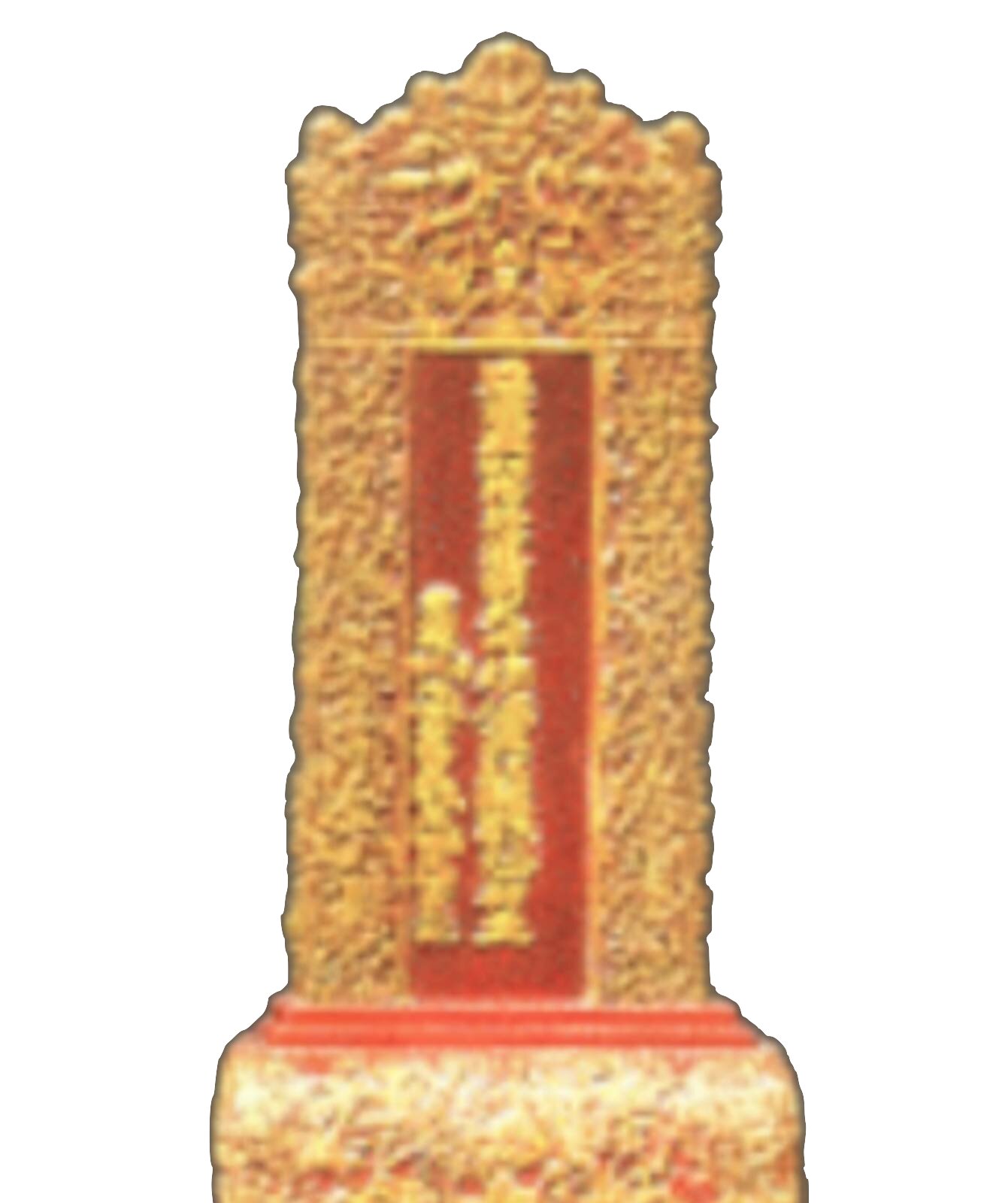
The Kananurak Family
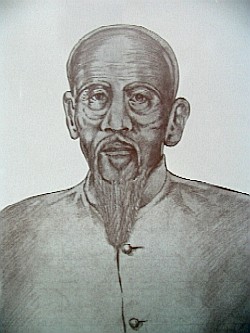
(ตันปุ่ย)
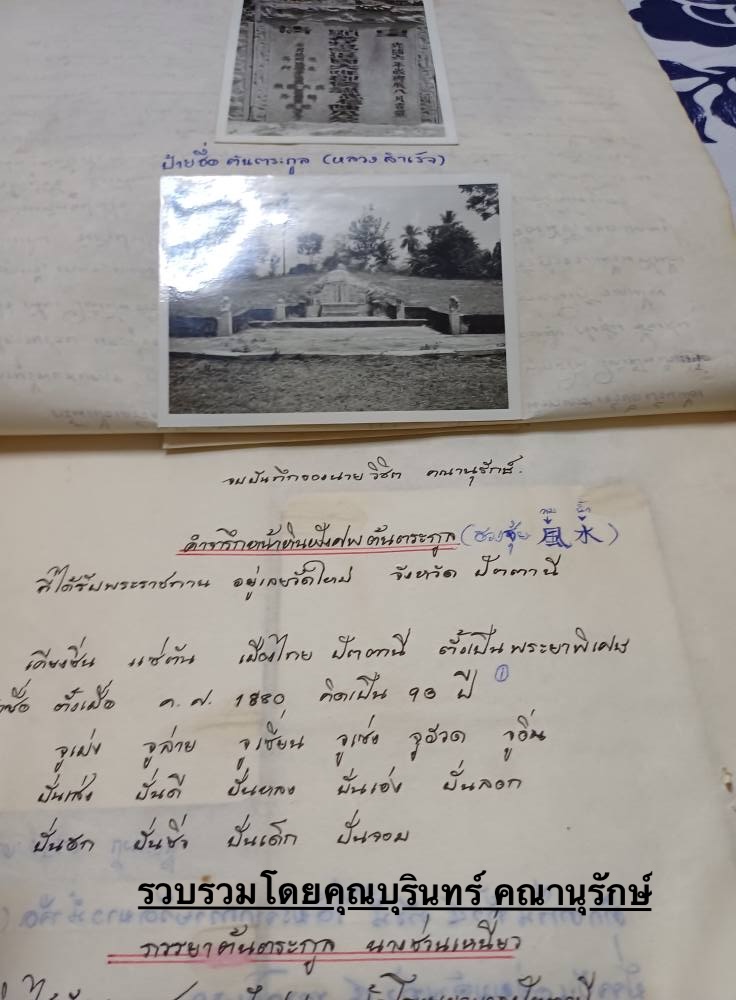
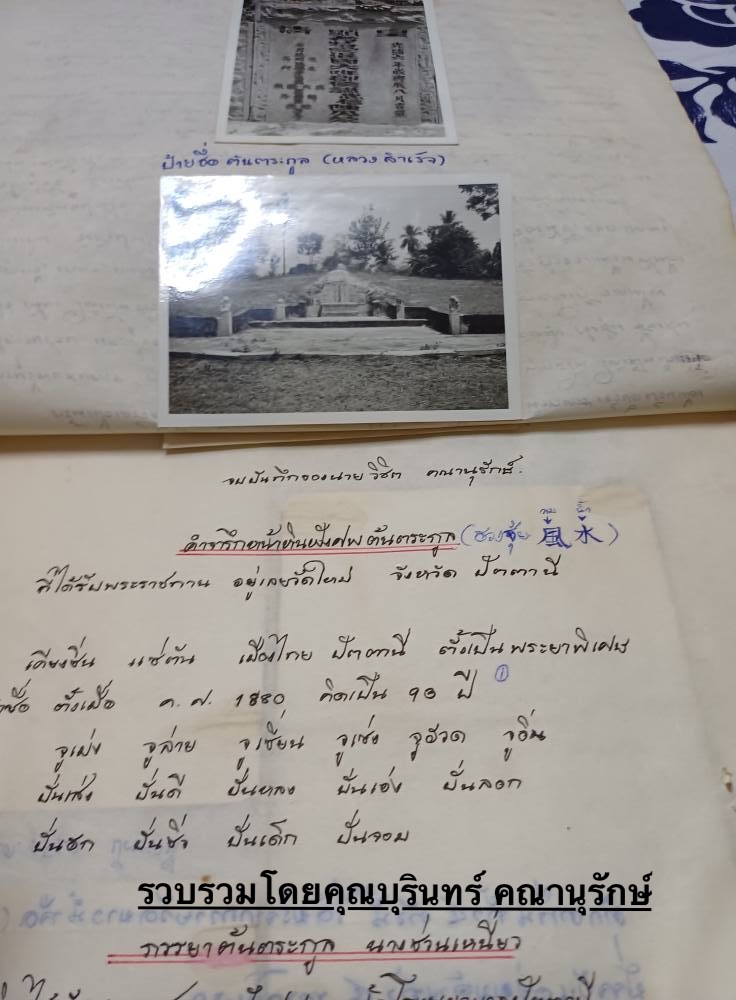
ต้นตระกูลคณานุรักษ์
หลวงสำเร็จกิจกรจางวาง ต้นตระกูลคณานุรักษ์ เดิมมีนามว่า “ปุ่ย แซ่ตัน” เป็นชาวจีน มีภูมิลำเนาเดิมอยู่ ณ มณฑลฮกเกี้ยน ในแผ่นดินจีน ครั้นในสมัยพระนางซูสีไทเฮา เพื่อขอพึ่งพระบรมโพธิสมภารแห่งพระบาทสมเด็จพระนั่งเกล้าเจ้าอยู่หัว รัชกาลที่ ๓ แห่งกรุงรัตนโกสินทร์ เนื่องด้วยเห็นว่าพระองค์ทรงมีเชื้อจีนฮกเกี้ยนเช่นเดียวกัน
นายตันปุ่ย หรือหลวงสำเร็จกิจกรจางวาง เป็นชาวจีนเชื้อสายฮกเกี้ยน เกิดเมื่อปี พ.ศ. ๒๓๔๙ ณ เมืองเจียงจิวหู มณฑลฮกเกี้ยน ประเทศจีน ได้เดินทางโดยเรือสำเภาเข้ามายังเมืองสงขลา เพื่อขอพึ่งพระบรมโพธิสมภารในรัชสมัยของพระบาทสมเด็จพระนั่งเกล้าเจ้าอยู่หัว รัชกาลที่ ๓ แห่งกรุงรัตนโกสินทร์ เนื่องด้วยเห็นว่าพระองค์ทรงมีเชื้อจีนฮกเกี้ยนเช่นเดียวกัน
ช่วงแรกของชีวิตในสยาม นายตันปุ่ยได้ตั้งถิ่นฐานอยู่ที่เมืองสงขลาและประกอบอาชีพค้าขายด้วยความวิริยะ อุตสาหะ และความจงรักภักดีต่อแผ่นดินสยาม ท่านได้สร้างคุณงามความดีและประกอบความชอบโดยอาสานำสมัครพรรคพวกชาวจีนเข้าร่วมช่วยราชการในการปราบปรามขบถเมืองไทรบุรีของสยามในสมัยนั้น จนภารกิจสำเร็จลุล่วงด้วยดี เป็นที่พอพระราชหฤทัยอย่างยิ่ง ต่อมาได้รับความไว้วางใจจากพระยาวิเชียรคีรี (เถี้ยนเส้ง) เจ้าเมืองสงขลา ได้รับแต่งตั้งบรรดาศักดิ์เป็น “หลวงสำเร็จกิจกรจางวาง” อันหมายว่า ได้สำเร็จกิจแห่งการต่อกรศัตรู พร้อมทั้งได้รับหน้าที่เป็นนายกองหัวหน้าคณะคนจีน ทำหน้าที่สำคัญในการไกล่เกลี่ย ประสานสัมพันธไมตรี และธำรงไว้ซึ่งความสามัคคีระหว่างเจ้าเมืองฝ่ายไทยและเจ้าเมืองฝ่ายมลายู อันก่อให้เกิดความสงบเรียบร้อยและความมั่นคงแก่บ้านเมืองในยุคนั้น
ภายหลังได้รับตำแหน่ง หลวงสำเร็จกิจกรจางวางได้ย้ายครอบครัวเข้ามาปฏิบัติหน้าที่ในเมืองตานี โดยรับผิดชอบดูแลชุมชนชาวจีน รวมถึงจัดเก็บภาษีอากรส่งให้เมืองสงขลา นอกจากบทบาทด้านการปกครองและการค้าขายแล้ว ท่านยังมีบทบาทสำคัญในการบุกเบิกกิจการเหมืองแร่ดีบุกบริเวณตำบลถ้ำทะลุ แขวงเมืองยะลา ซึ่งในช่วงเวลานั้นถือเป็นแหล่งทรัพยากรสำคัญทางเศรษฐกิจของหัวเมืองมลายูฝั่งตะวันออก
กิจการเหมืองแร่ในยุคนั้นใช้แรงงานชาวจีนเป็นหลัก โดยมีการว่าจ้างแรงงานจากประเทศจีนผ่านระบบนายหน้า นายจ้างเป็นผู้รับผิดชอบค่าเดินทาง อาหาร ที่พัก และค่าจ้างรายเดือน รวมทั้งมีการจ่ายเงินล่วงหน้าให้ครอบครัวของแรงงานที่พำนักอยู่ในจีน ส่วนองค์ความรู้ด้านการทำเหมือง เครื่องมือ และเทคโนโลยีต่าง ๆ ยังต้องอาศัยผู้เชี่ยวชาญและบริษัทจากต่างประเทศ
กิจการเหมืองแร่ของตระกูลคณานุรักษ์ถือเป็นหนึ่งในกิจการเศรษฐกิจสำคัญของหัวเมืองมลายูฝั่งตะวันออกในช่วงสมัยรัตนโกสินทร์ตอนต้น โดยมีจุดเริ่มต้นจากหลวงสำเร็จกิจกรจางวาง (ตันปุ่ย) ชาวจีนเชื้อสายฮกเกี้ยนซึ่งอพยพเข้ามายังสยามในรัชสมัยพระบาทสมเด็จพระนั่งเกล้าเจ้าอยู่หัว ภายหลังได้รับความไว้วางใจจากพระยาวิเชียรคีรี (เถี้ยนเส้ง) เจ้าเมืองสงขลา และได้รับแต่งตั้งให้เข้ามาดูแลกิจการของชาวจีนในเมืองตานี รวมถึงรับหน้าที่จัดเก็บภาษีอากรในพื้นที่
นอกเหนือจากบทบาทด้านการปกครองและการค้าแล้ว หลวงสำเร็จกิจกรจางวางยังเป็นผู้บุกเบิกกิจการเหมืองแร่ดีบุกบริเวณตำบลถ้ำทะลุ แขวงเมืองยะลา ซึ่งในช่วงเวลาดังกล่าวถือเป็นแหล่งทรัพยากรที่มีมูลค่าทางเศรษฐกิจสูง แม้จะไม่ปรากฏหลักฐานชัดเจนว่าการดำเนินกิจการเริ่มต้นเมื่อใด แต่พงศาวดารเมืองตานีได้กล่าวถึงการจัดตั้งเหมืองดีบุกหลายแห่งในพื้นที่ยะลาในสมัยพระบาทสมเด็จพระนั่งเกล้าเจ้าอยู่หัว โดยต่อมาผลประโยชน์จากเหมืองเหล่านี้อยู่ภายใต้การควบคุมของพระยาวิเชียรคีรี จึงเป็นไปได้ว่าตระกูลคณานุรักษ์ได้เข้ามามีบทบาทในกิจการเหมืองแร่ผ่านเครือข่ายอำนาจของเมืองสงขลาตั้งแต่ระยะแรก
ภายหลังการถึงแก่อนิจกรรมของหลวงสำเร็จกิจกรจางวาง กิจการเหมืองแร่ของตระกูลตกทอดสู่หลวงสุนทรสิทธิโลหะ (ตันจูเม้ง) และต่อมาคือพระจีนคณานุรักษ์ (ตันจูล้าย) ซึ่งมีบทบาทสำคัญในการขยายกิจการเหมืองและการค้าดีบุกในพื้นที่ หลักฐานสำคัญที่สะท้อนถึงความก้าวหน้าของกิจการ คือสัญญาระหว่างหลวงสุนทรสิทธิโลหะกับบริษัทต่างชาติ The Galena Mining Company ลงวันที่ ๒๖ ธันวาคม พ.ศ. ๒๔๑๙ ซึ่งแสดงให้เห็นถึงความสัมพันธ์ระหว่างผู้ประกอบการท้องถิ่นกับทุนต่างชาติในกิจการเหมืองแร่
เนื้อหาในสัญญาดังกล่าวระบุว่า การทำเหมืองในพื้นที่ตำบลถ้ำทะลุต้องอาศัยการเช่าเครื่องมือและอุปกรณ์จากบริษัทต่างชาติ โดยมีเงื่อนไขให้ผู้ประกอบการขายแร่แก่บริษัทดังกล่าวเพียงรายเดียว นอกจากนี้ ค่าใช้จ่ายในการบำรุงรักษาอุปกรณ์ ค่าขนส่ง และความเสียหายต่าง ๆ ยังเป็นภาระของฝ่ายผู้ดำเนินกิจการเหมืองทั้งหมด ราคาซื้อขายแร่จะกำหนดตามคุณภาพของแร่ที่ถลุงได้ กล่าวคือ แร่ที่มีเนื้อแร่ร้อยละ ๕๕–๖๐ จะมีราคาสูงกว่าแร่ที่มีคุณภาพต่ำกว่า สะท้อนให้เห็นถึงระบบการค้าดีบุกที่เริ่มเชื่อมโยงกับมาตรฐานทางอุตสาหกรรมสากล
ในช่วงปลายรัชสมัยพระบาทสมเด็จพระจุลจอมเกล้าเจ้าอยู่หัว รัฐสยามเริ่มปฏิรูประบบบริหารทรัพยากรแร่ โดยจัดตั้งกรมราชโลหกิจและภูมิวิทยาในปี พ.ศ. ๒๔๓๔ เพื่อควบคุมการออกประทานบัตรและผลประโยชน์ด้านเหมืองแร่ทั่วราชอาณาจักร การเปลี่ยนแปลงดังกล่าวส่งผลกระทบโดยตรงต่อกิจการของตระกูลคณานุรักษ์ เนื่องจากพระจีนคณานุรักษ์ (ตันจูล้าย) จำเป็นต้องยื่นขอสิทธิทำเหมืองใหม่ แม้ว่าครอบครัวจะดำเนินกิจการและเสียส่วยแก่รัฐมาอย่างต่อเนื่องยาวนานหลายสิบปีแล้วก็ตาม การขอประทานบัตรครั้งดังกล่าวนำไปสู่ข้อขัดแย้งกับฝ่ายเมืองสงขลาและเมืองยะลา ซึ่งต่างอ้างสิทธิและผลประโยชน์ในพื้นที่เดียวกัน จนกลายเป็นประเด็นถกเถียงระหว่างกระทรวงกลาโหมและกระทรวงเกษตราธิการในส่วนกลาง
ในการยื่นคำร้อง พระจีนคณานุรักษ์ได้ระบุว่าตระกูลคณานุรักษ์ได้ดำเนินกิจการเหมืองบริเวณตำบลถ้ำทะลุมายาวนานหลายสิบปี พร้อมเสียส่วยแก่เมืองสงขลาโดยไม่ขาด อีกทั้งยังต้องเสียภาษีหลายชั้นตลอดเส้นทางการขนส่ง ตั้งแต่เมืองยะลา เมืองหนองจิก จนถึงเมืองตานี จึงได้ขอพระราชทานสิทธิครอบครองพื้นที่เหมืองจำนวน ๖ ตารางไมล์ เป็นระยะเวลา ๕๐ ปี และเสนอให้จัดเก็บภาษีเพียงชั้นเดียว
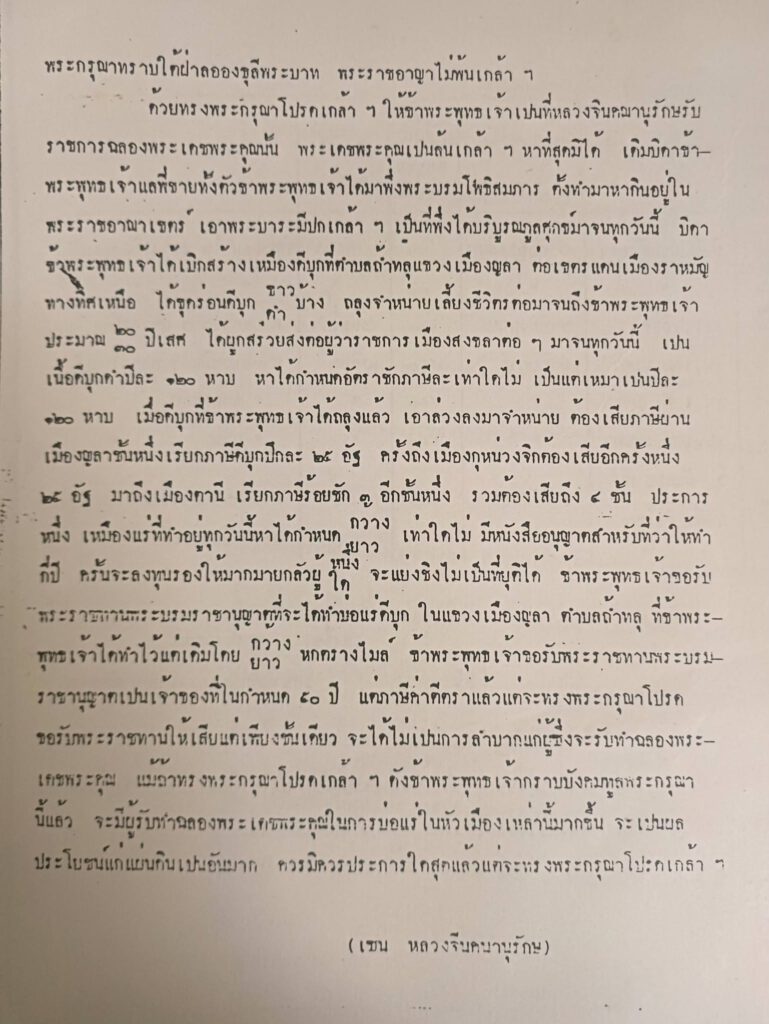
เมื่อวันที่ ๒๘ พฤศจิกายน พ.ศ.๒๔๓๖
โดยพระจีนคณานุรักษ์ (ตันจูล้าย) ได้ทำฎีกาถวายต่อพระบาทสมเด็จพระจุลจอมเกล้าเจ้าอยู่หัว โดยผ่านพระสมุหพระกลาโหม เมื่อวันที่ ๒๘ พฤศจิกายน พ.ศ.๒๔๓๖ โดยระบุว่า เดิมบิดา คือหลวงสำเร็จกิจกรจางวาง (ตันปุ่ย) ได้ทำการเบิกสร้างเหมืองดีบุกที่ตำบลถ้ำทะลุ แขวงเมืองยะลาต่อเขตแดนเมืองรามันทางเหนือ ได้ขุดร่อนแร่ดีบุกทั้งดีบุกขาวและดีบุกดำ มาประมาณ ๒๐ – ๓๐ ปีเศษ โดยทำการผูกส่วยส่งต่อเจ้าเมืองสงขลาเป็นอัตราเหมาจ่ายด้วยดีบุกดำปีละ ๑๒๐ หาบมาตลอด ดีบุกที่ถลุงแล้วเมื่อขนส่งลงไปจำหน่ายต้องเสียภาษีผ่านเมืองยะลาเป็นภาษีดีบุกปึกละ ๒๕ อัฐ เมื่อถึงเมืองหนองจิกต้องเสียภาษีอีกปึกละ ๒๕ อัฐ ครั้นถึงเมืองตานีต้องเสียภาษีร้อยชักสามอีกชั้นหนึ่ง รวมแล้วต้องเสียภาษีถึง ๔ ชั้น ทั้งนี้เหมืองแร่ที่ทำไม่ได้มีการกำหนดพื้นที่ที่แน่นอนแต่อย่างใด จึงขอพระราชทานพระบรมราชานุญาตเป็นเจ้าของที่เหมืองดีบุกดังกล่าวในตำบลถ้ำทะลุ แขวงเมืองยะลาเป็นเนื้อที่ทั้งหมด ๖ ตารางไมล์ โดยมีกำหนดเวลา ๕๐ ปี และขอเสียภาษีให้เพียงชั้นเดียว
ในการยื่นหนังสือนี้พระจีนคณานุรักษ์ (ตันจูล้าย) ได้มอบหมายให้บุตรชายคือขุนจำเริญภักดี (ตันบั่นฮก) เป็นผู้เข้าไปดำเนินการ เมื่อขุนจำเริญภักดีนำหนังสือไปยื่นขออนุญาตทำเหมืองต่อกรมราชโลหกิจและภูมิวิทยา กระทรวงเกษตราธิการซึ่งเป็นเจ้าสังกัดของกรมราชโลหกิจและภูมิวิทยาได้พิจารณาแล้วเห็นว่าจะได้ผลประโยชน์ต่อแผ่นดินเพิ่มขึ้น ครั้นได้สอบถามไปทางเมืองสงขลาซึ่งบังคับบัญชาเมืองยะลาก็ไม่ปรากฎว่ามีผู้ทำเหมืองในบริเวณนั้น ประกอบกับเวลานั้นพระบาทสมเด็จพระจุลจอมเกล้าเจ้าอยู่หัวทรงพระประชวรหนักจากเหตุการณ์กรณีพิพาทกับฝรั่งเศส ปี ร.ศ.๑๑๒ ไม่ประภาษราชกิจอย่างใด เรื่องราวการขอทำเหมืองจึงค้างอยู่
เจ้าพระยาอภัยราชา (โรลังค์ ยัคมินส์) ที่ปรึกษาราชการแผ่นดินจึงได้กราบบังคมทูลให้ทรงทราบถึงการที่ผู้ขออนุญาตทำแร่ติดขัดอยู่ จึงมีลายพระหัตถ์ถึงพระเจ้าน้องยาเธอกรมพระยาเทววงศ์วโรประการ โปรดเกล้าฯให้ทรงพิจารณาเรื่องราวที่ติดขัดอยู่ เรื่องการขอทำเหมืองของพระจีนคณานุรักษ์ (ตันจูล้าย) ที่ขุนจำเริญภักดี (ตันบั่นฮก) นำไปยื่นจึงได้รับอนุญาตให้ดำเนินการได้ตามที่ขอ กระทรวงเกษตราธิการจึงมีหนังสือแจ้งไปยังกระทรวงกลาโหมซึ่งบังคับบัญชาเมืองสงขลาอยู่ กระทรวงกลาโหมจึงได้มีตราบังคับออก ไปตามใบอนุญาต
เมื่อขุนจำเริญภักดี (ตันบั่นฮก) นำตราไปวางที่เมืองยะลา เจ้าเมืองยะลาได้ทักท้วงไปยังเจ้าเมืองสงขลาว่าในอาณาเขตนั้นมีเหมืองของเจ้าเมืองสงขลาเกี่ยวข้องอยู่ด้วย และมีผู้รับทำอยู่แล้ว เจ้าเมืองสงขลาจึงมีใบบอกเข้ามายังกรุงเทพฯขอประมูลให้สูงกว่าที่พระจีนคณานุรักษ์ (ตันจูล้าย) ยื่นราคาไว้ กระทรวงกลาโหมจึงแจ้งไปทางกระทรวงเกษตราธิการ แต่กระทรวงเกษตราธิการยืนยันตามใบอนุญาตเดิมที่ให้ไว้แล้ว จึงเกิดเป็นข้อถกเถียงกันในที่ประชุมเสนาบดี ซึ่งที่ประชุมมีความเห็นว่าให้ทั้ง ๒ ฝ่ายเข้ามาว่าประมูลกันใหม่ กระทรวงเกษตราธิการรู้สึกเสียใจต่อคำตัดสินของที่ประชุมเสนาบดี จนเจ้าพระยาสุรศักดิ์มนตรี (เจิม แสงชูโต) เสนาบดีกระทรวงเกษตราธิการมีหนังสือไปกราบทูลพระเจ้าน้องยาเธอกรมพระสมมติอมรพันธุ์ เสนาบดีกระทรวงมุรธาธร ปรับทุกข์เรื่องนี้ว่าการที่ได้ออกใบอนุญาตให้พระจีนคณานุรักษ์ (ตันจูล้าย) ก็เป็นไปเพื่อรักษาผลประโยชน์ของทางราชการ พระจีนคณานุรักษ์ (ตันจูล้าย)ก็หาได้วิ่งเต้นเข้าข้างหน้าบ้านหรือหลังบ้านของท่านแต่อย่างใดไม่ เมื่อการออกใบอนุญาตจะทำให้เกิดผลเสียในภายหน้าก็จะขอรับพระราชอาญาตามโทษานุโทษ แต่การที่ที่ประชุมเสนาบดีมีความเห็นว่าให้เรียกเข้ามาประมูลใหม่นั้นเห็นว่าไม่ควร เพราะการออกใบอนุญาตนั้นเป็นไปโดยกระแสพระบรมราชานุญาตแล้ว การที่จะกลับไปกลับมาจะทำให้เสื่อมเสียพระเกียรติยศ ตระกูลคณานุรักษ์จึงได้สิทธิ์ในการทำเหมืองต่อไปตามใบอนุญาติและประทานบัตรที่ออกนั้น
จากเหตุการณ์ดังกล่าว คาดว่าเป็นมูลเหตุที่ทำให้เกิดความขัดแย้งระหว่างพระจีนคณานุรักษ์ กับเจ้าเมืองสงขลาและเจ้าเมืองหนองจิก (ซึ่งเป็นเชื้อสายเจ้าเมืองสงขลา) สิ่งที่เกิดขึ้นตามมาก็คือมีการขุดลอกคลองลัดแม่น้ำตานีที่บริเวณบ้านปรีกี เนื่องจากเดิมแม่น้ำตานีมีความคดเคี้ยวมากจากต้นน้ำที่ไหลผ่านเขตเมืองยะลา เข้าสู่เขตอำเภอยะรัง ซึ่งขึ้นกับเมืองหนองจิก
พระยาวิชิตภักดี (ตนกูสุไลมานซารีฟุดดิน) เจ้าเมืองตานี ในสมัยนั้น มีความสนิทสนมกับพระจีนคณานุรักษ์ และตระกูลคณานุรักษ์มาก จึงได้เกณฑ์ชาวบ้านมาช่วยกันขุดคลองลัดดังกล่าวที่บริเวณบ้านปรีกีไปยังบ้านอาเนาะบูลูดเป็นระยะทางประมาณ ๗ กิโลเมตร เรียกว่าคลองสุไหงบารู แล้วเข้าสู่เขตเมืองตานี เพื่อจะได้ไม่ต้องขนแร่ดีบุกผ่านเมืองหนองจิกซึ่งเป็นเชื้อสายกับเจ้าเมืองสงขลา
แม้กระทั่งเมื่อพระยาวิชิตภักดี (ตนกูสุไลมานซารีฟุดดิน) สร้างวังใหม่ที่ตำบลจะบังติกอ ทายาทพระยาวิชิตภักดี (ตนกูสุไลมานซารีฟุดดิน) เล่าต่อกันมาว่าตระกูลคณานุรักษ์เป็นผู้จัดหาช่างและอุปกรณ์ก่อสร้างไปช่วยสร้างให้ อันจะเห็นได้จากตัวอาคารและกำแพงวังจะบังติกอซึ่งจะเป็นลักษณะศิลปะจีนแทนที่จะเป็นรูปแบบเรือนมลายู
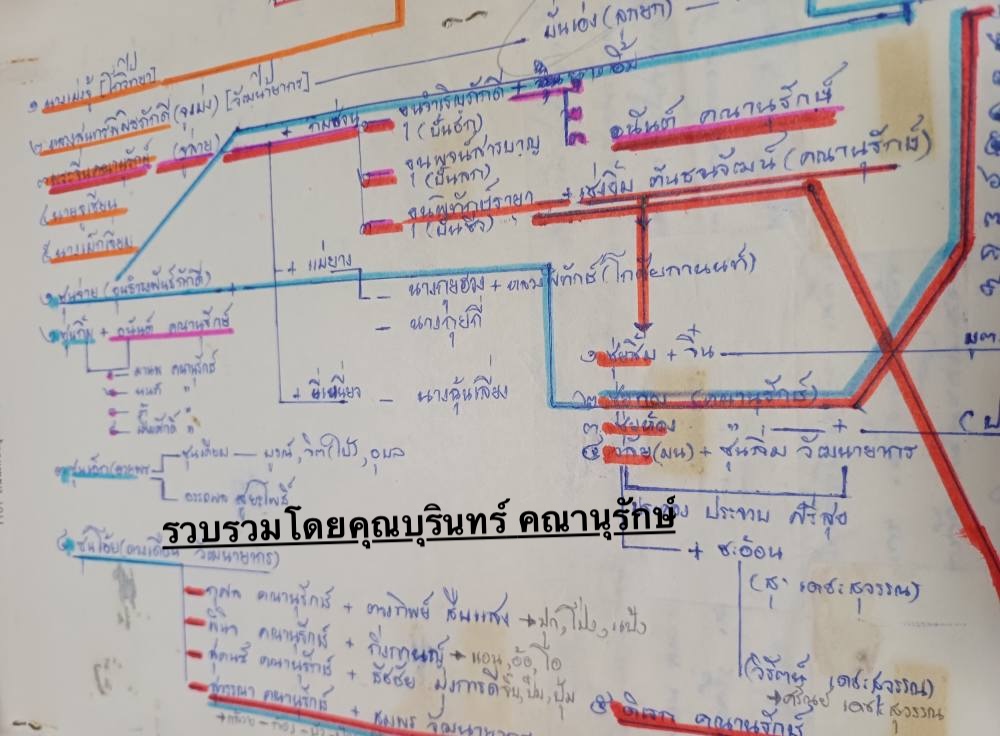
หลวงสำเร็จกิจกรจางวาง สมรส ๔ ครั้ง มีทายาทในสายต่างๆ ดังนี้
ภรรยาที่ ๑
หลวงสำเร็จกิจกรจางวาง สมรสกับชาวจีน (ไม่ทราบชื่อ) ก่อนเดินทางมาสยาม และ ไม่มีบุตร-ธิดา
ภรรยาที่ ๒
หลวงสำเร็จกิจกรจางวาง สมรสกับนางซ่วนเหนี่ยว แซ่โก้ย (หรือโก๊ยเจ็งซุ่น) มีบุตร ๓ คน คือ
๑.นางตันเบ้งจู โกวิทยา [ดูทายาททั้งหมดของนางตันเบ้งจู]
๒.หลวงสุนทรสิทธิโลหะ (ตันจูเบ้ง) [ดูทายาททั้งหมดของหลวงสุนทรสิทธิโลหะ]
๓.อำมาตย์ตรีพระจีนคณานุรักษ์ (ตันจูล่าย)[ดูทายาททั้งหมดของอำมาตย์ตรีพระจีนคณานุรักษ์]
ภรรยาที่ ๓
หลวงสำเร็จกิจกรจางวาง สมรสกับนางลิ้มตงซุ่น (หรือ “หวุ่น”) โดยมีบุตร-ธิดา ๓ คนคือ
๑.นายตันจูเส้ง[ดูทายาททั้งหมดของนายตันจูเส้ง]
๒.นางตันจูกี่ [ดูทายาททั้งหมดของนางตันจูกี่]
๓.นางตันกี่จู (กาญจนบุษย์)[ดูทายาททั้งหมดของนางตันกี่จู]
ภรรยาที่ ๔
หลวงสำเร็จกิจกรจางวาง สมรสกับนางก่อมู่ซุ่น (หรือ “เคียด”) โดยมีบุตร ๑ คน
๑.หลวงวิชิตศุลกากร(ตันจูอิ้น)[ดูทายาททั้งหมดของหลวงวิชิตศุลกากร]
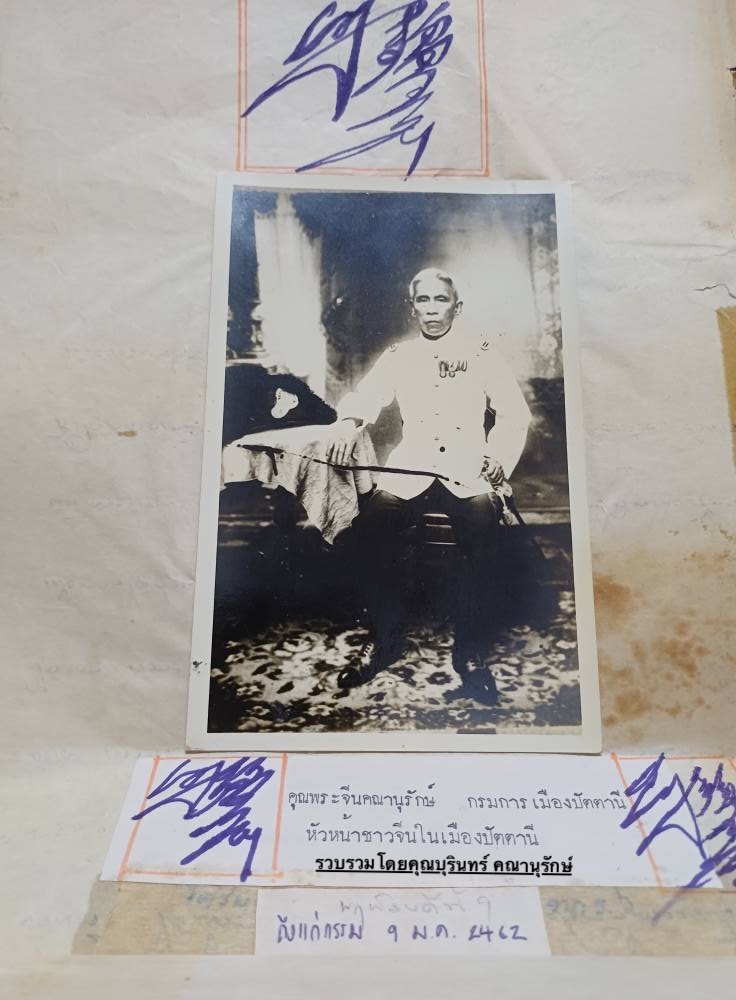
ประวัติความเป็นมา แห่ง ต้นสกุล “คณานุรักษ์”
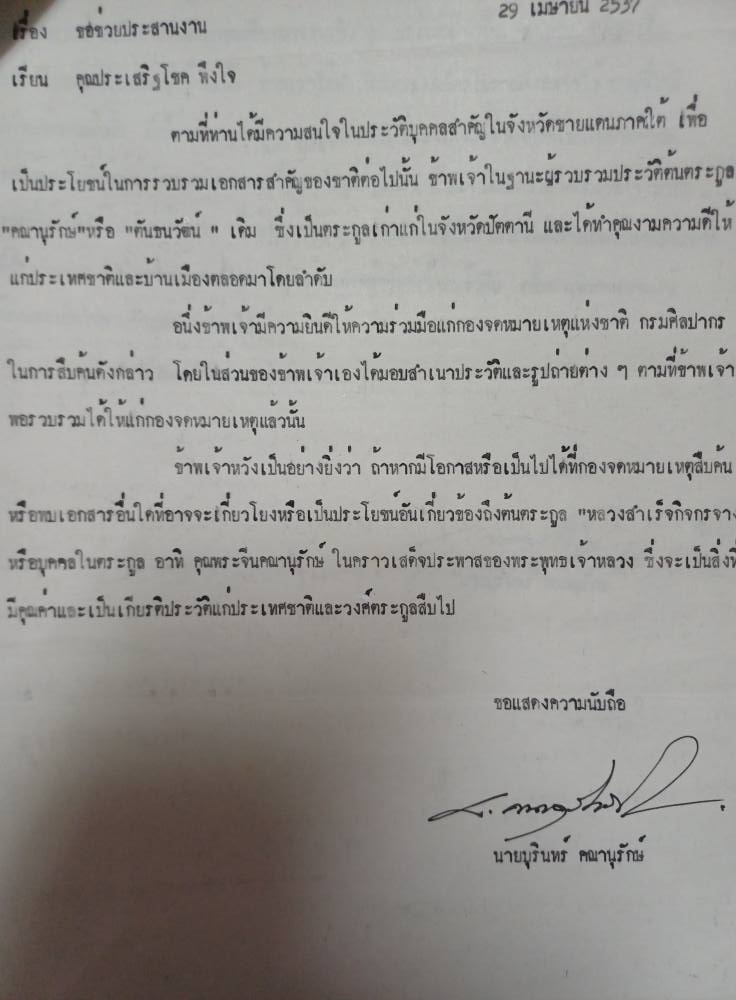
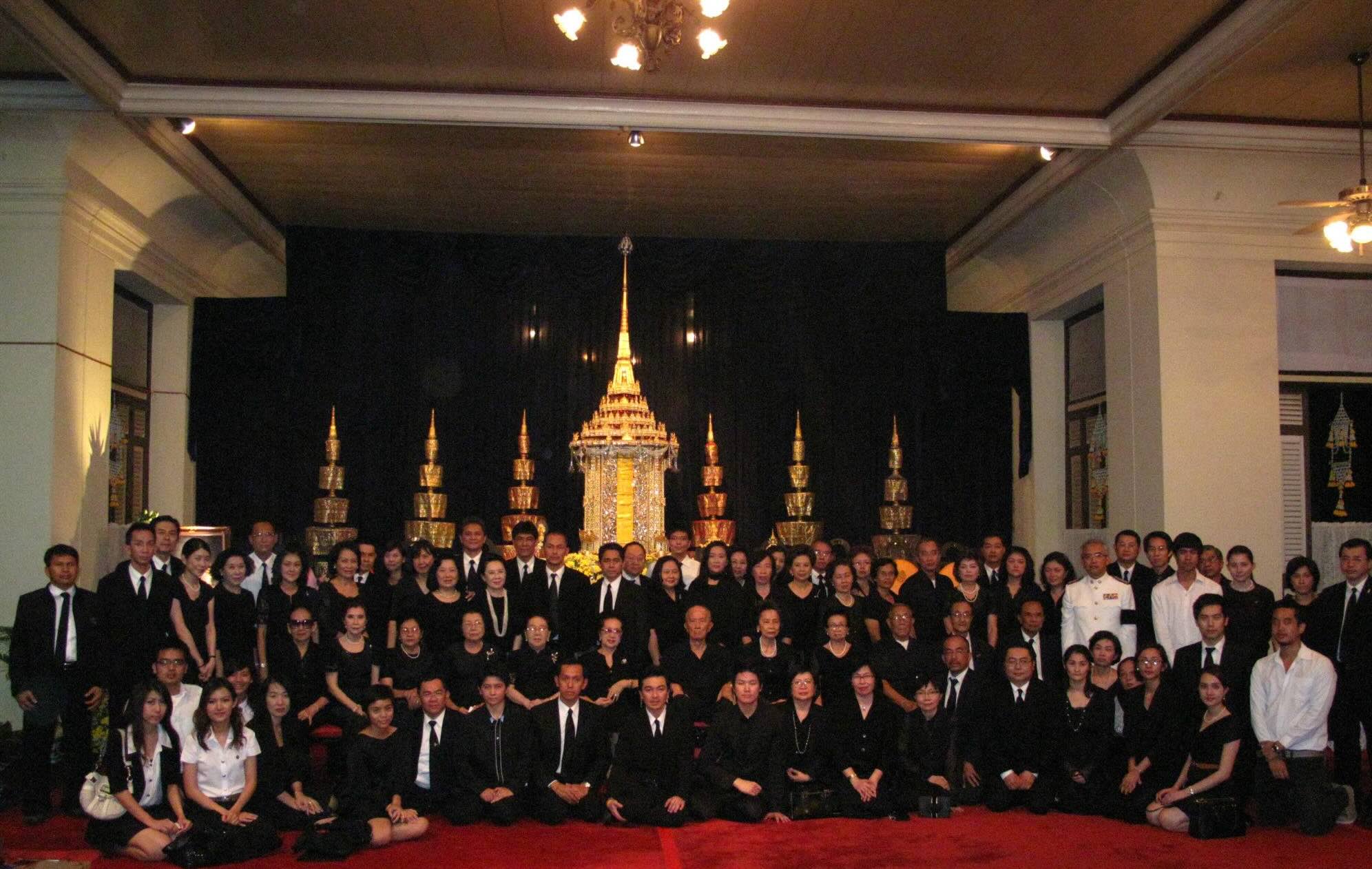
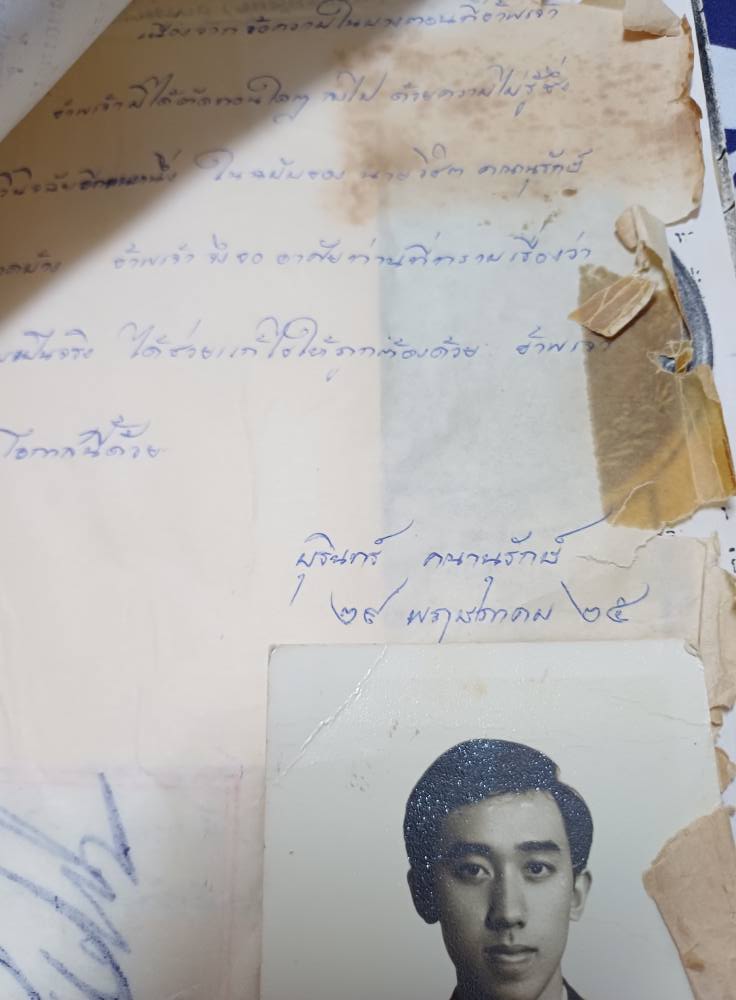
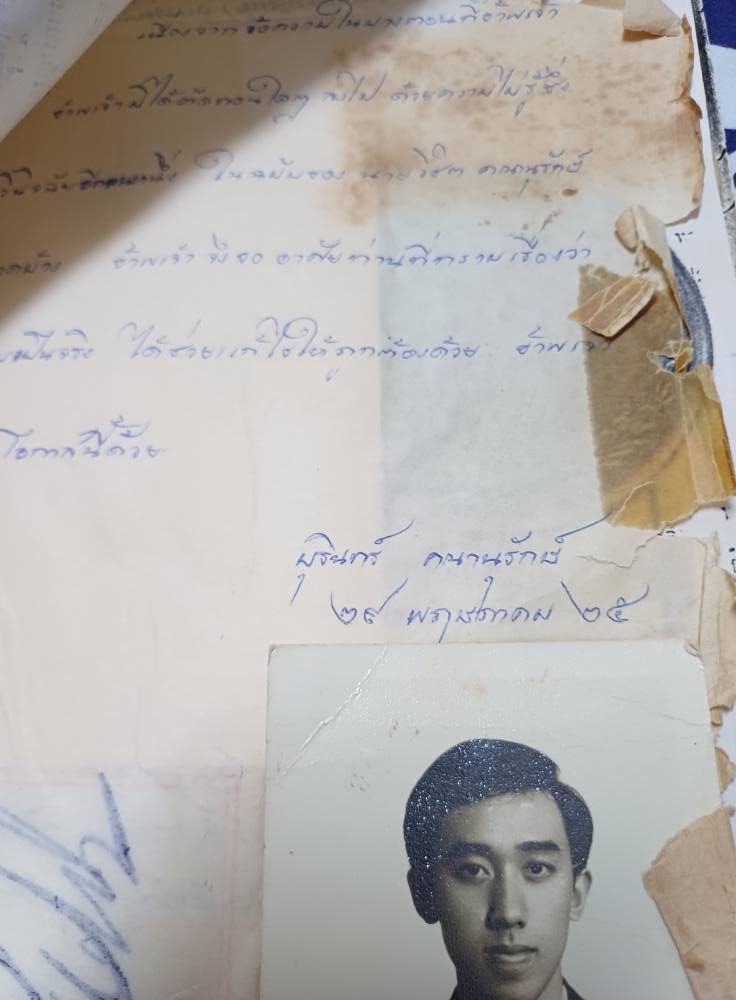
คุณบุรินทร์ (รชฏ) คณานุรักษ์ (หลานชาย นายกฯ ดิเรก คณานุรักษ์) ซึ่งเป็นทายาทรุ่นที่ 6 ได้บอกเล่าเรื่องราวของตระกูลคณานุรักษ์ ผ่านการรวบรวมข้อมูล ตั้งแต่ปี ๒๕๒๖ ซึ่งได้จากการค้นคว้า เก็บข้อมูล และสอบถามจากญาติผู้ใหญ่ในรุ่นที่ ๔ และ ๕ หลายๆท่าน แม้ท่านเหล่านั้นจะชรามากๆแล้ว แต่ก็ยังมีความจำดีเลิศ และทุกท่านล้วนมีเมตตาเล่าเรื่องราวต่างๆให้กับคุณบุรินทร์ (รชฏ) ฟัง จากนั้น คุณบุรินทร์ (รชฏ) จึงได้ จดบันทึกและพยายามสืบเสาะหา เรื่องราวต่างๆ อีกทั้งเก็บรวบรวมเอกสารเอาไว้มากมาย ซึ่งหลายๆส่วน ได้ถูกแบ่งปันให้กับคุณประยูรเดช คณานุรักษ์ และนายแพทย์ปานเทพ คณานุรักษ์ ได้รวบรวม และประมวลออกมาเพื่อจัดพิมพ์เป็นประวัติตระกูลขึ้นมา ในปี พ.ศ.๒๕๓๘ ซึ่งนับเป็นประโยชน์และมีคุณค่าเป็นอย่างมาก เพราะนอกจากจะเป็นต่อลูกหลานในการศึกษา ประวัติบรรพชนและวงศ์ตระกูลแล้ว ยังเป็นประโยชน์แก่สาธารณะชน ผู้สนใจทั่วไป
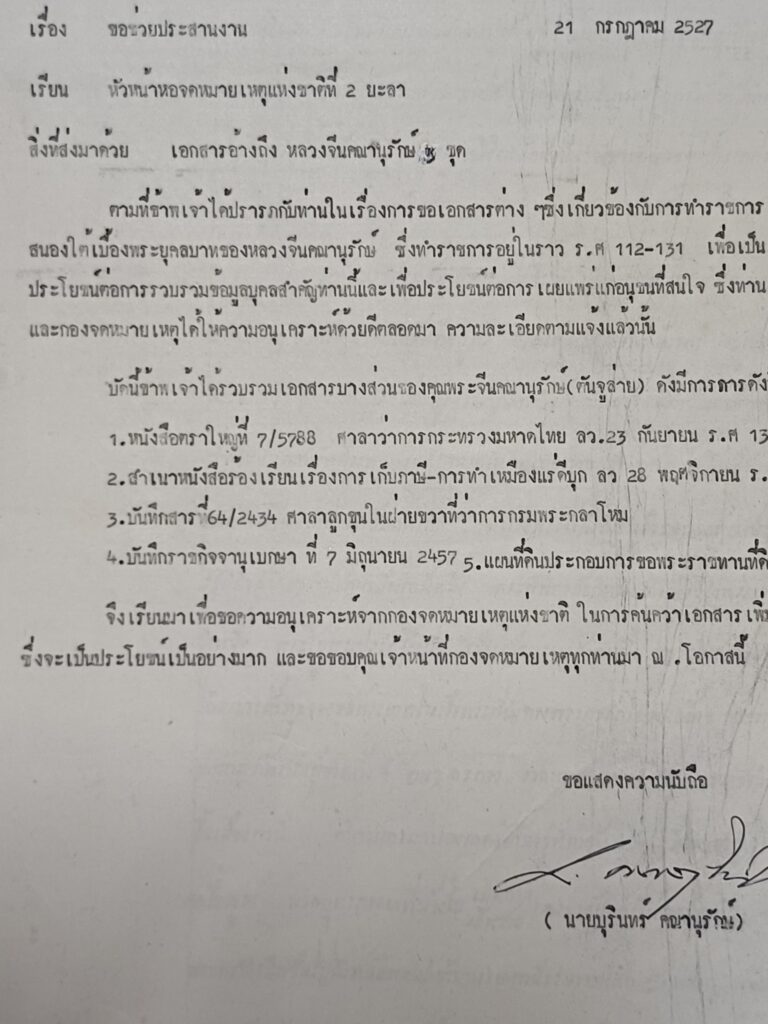
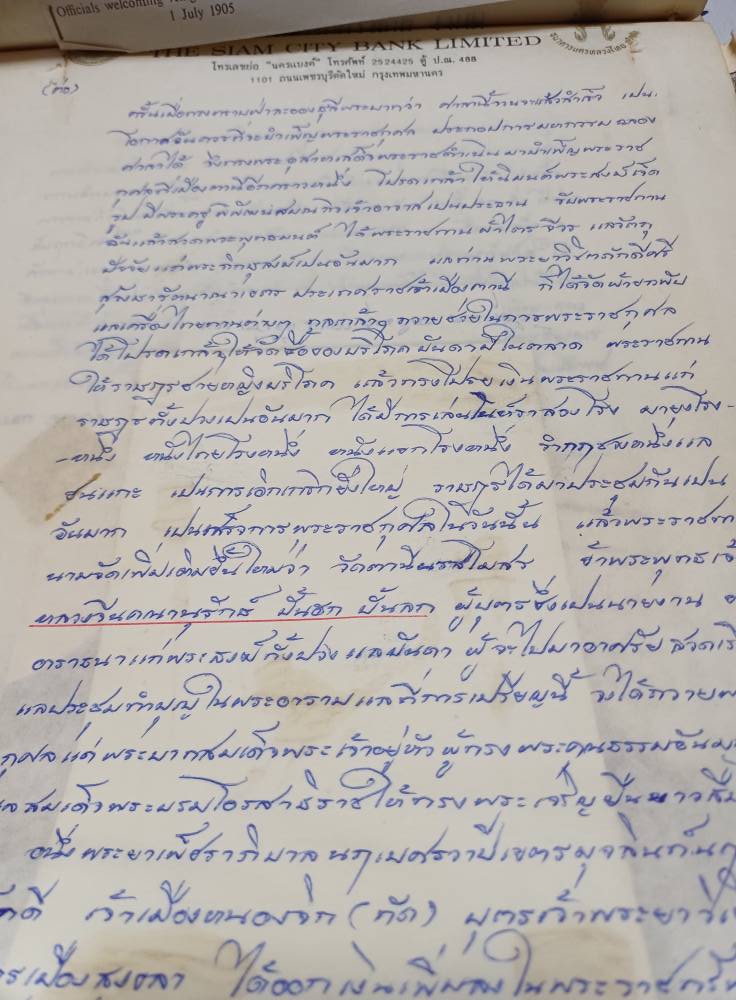
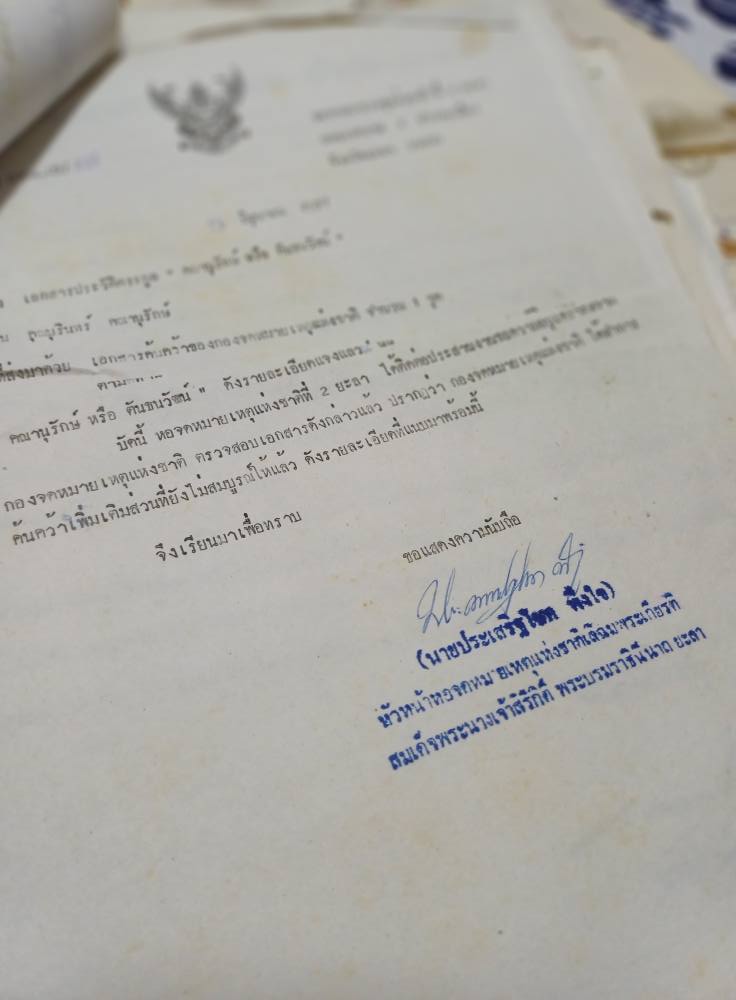
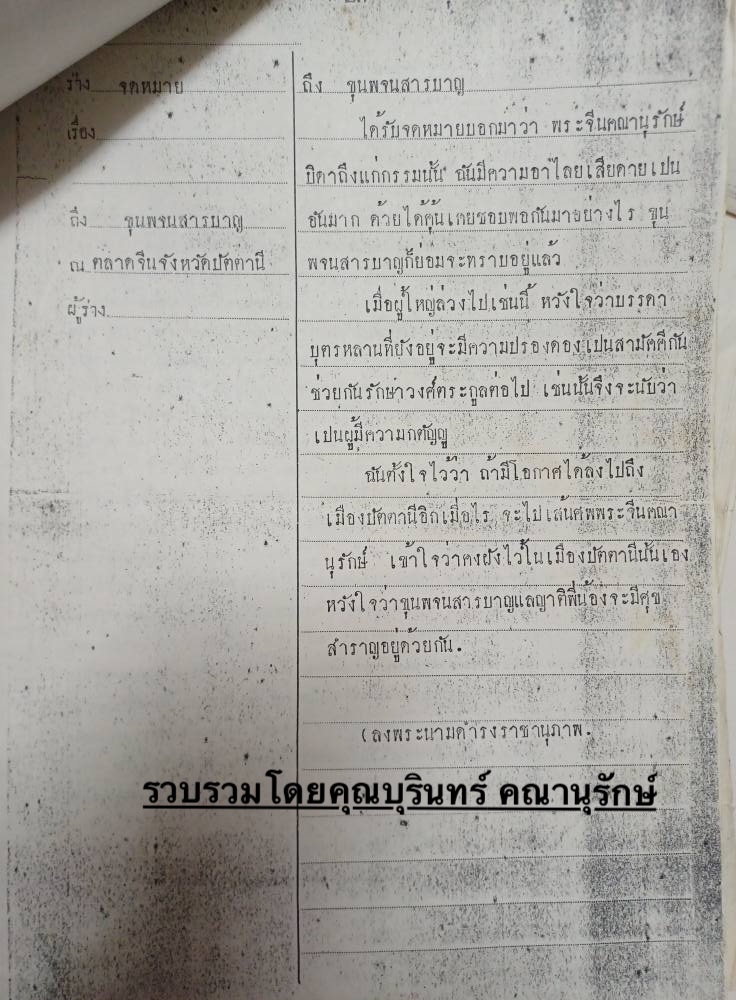
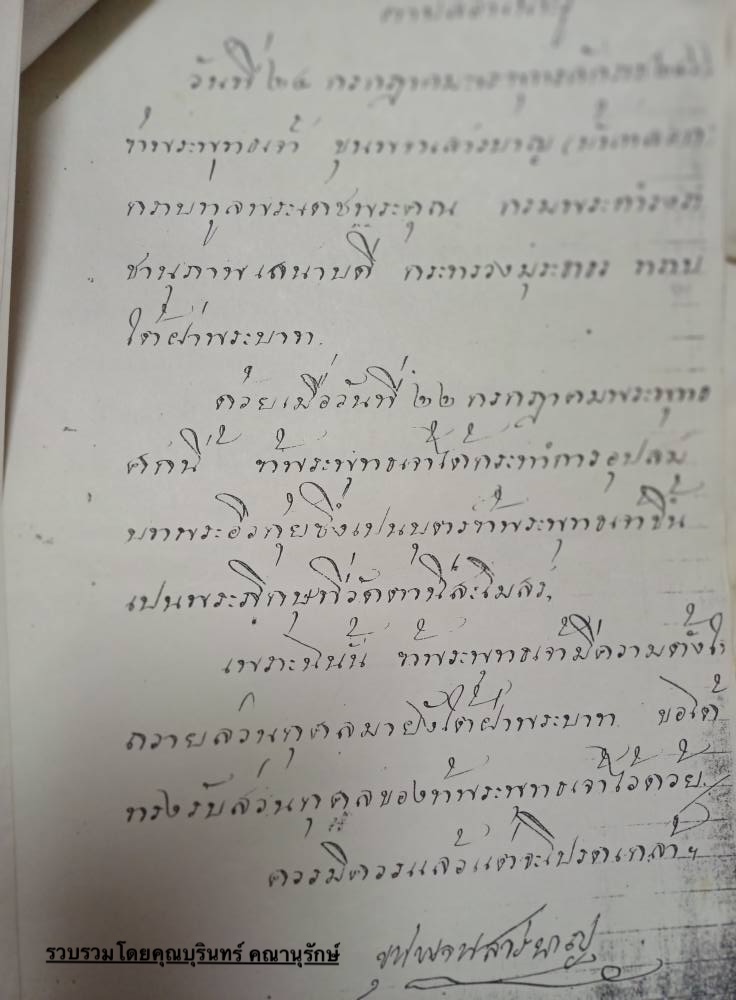
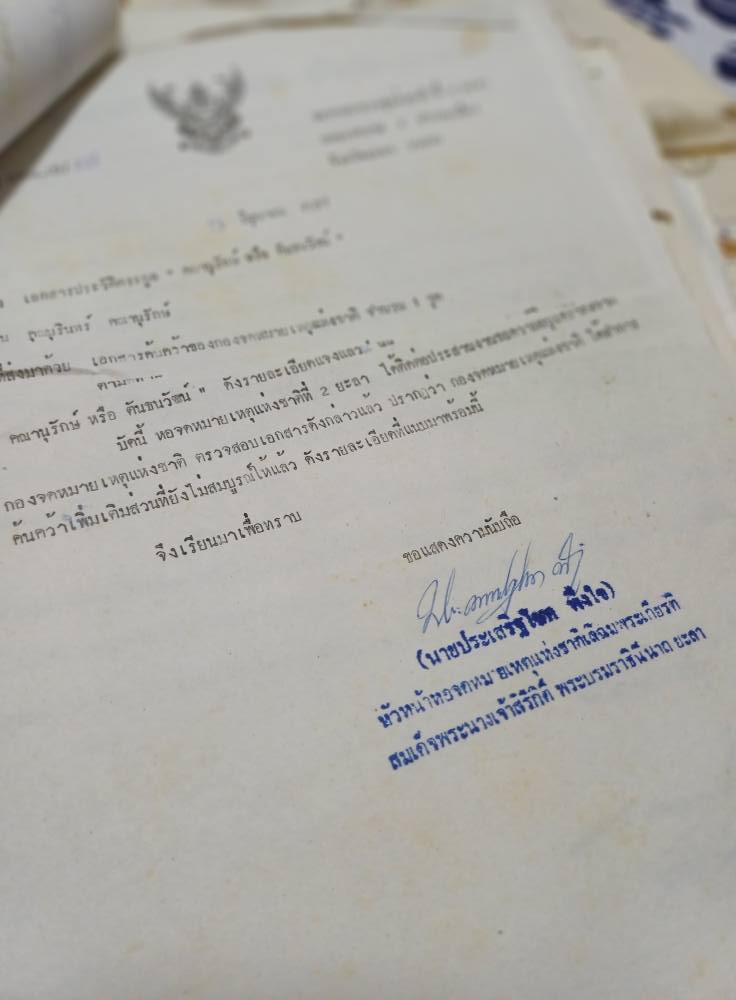
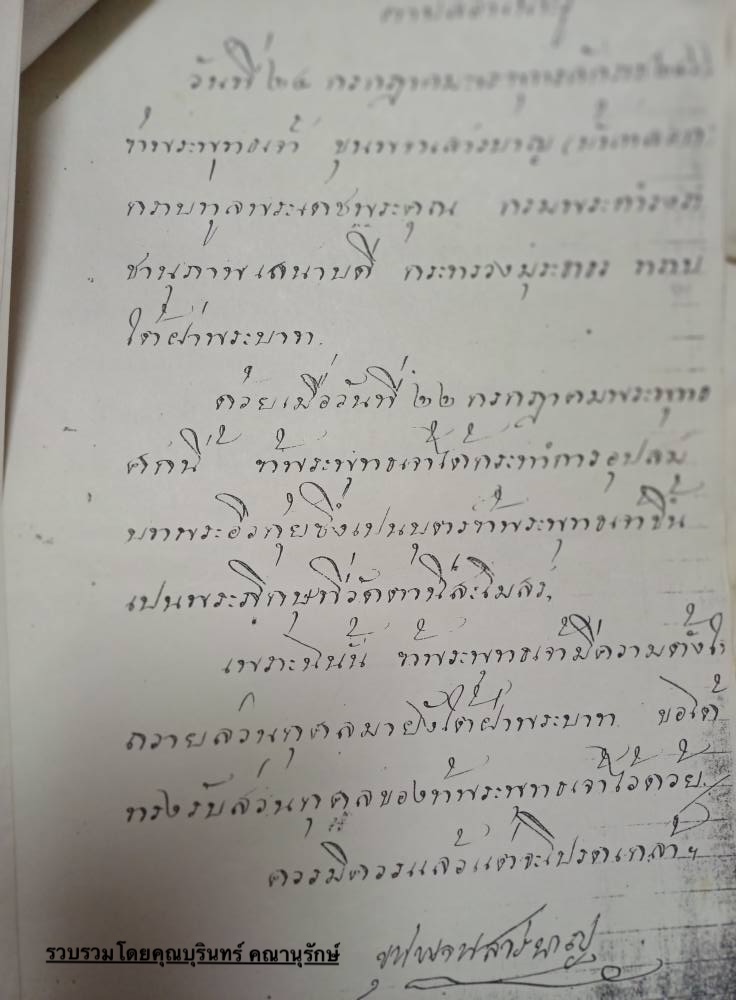
วันหนึ่ง คุณบุรินทร์ (รชฏ) ได้มีรู้จักกับเจ้าหน้าที่กรมศิลปากร (คุณประเสริฐโชค พึงใจ) ซึ่งทำงานอยู่ที่หอจดหมายเหตุแห่งชาติ จึงได้ทำหนังสือถึงท่าน เพื่อขอให้ช่วยสืบค้นบันทึกราชการ และเอกสารทางการต่างๆ จนได้เอกสารของกรมพระยาดำรงราชานุภาพ ที่มีมาถึงขุนพจน์สารบาญ เพื่อแจ้งสารว่า คุณพระจีนคณานุรักษ์ ผู้เป็นบิดา ได้ถึงแก่กรรมลง จึงทำให้ทราบว่า ในสมัยพระพุทธเจ้าหลวงนั้น ท่านทรงมีความสนิทสนมและไว้วางพระราชหฤทัยต่อหลวงจีนคณานุรักษ์เป็นอย่างมาก ดังเช่นที่เห็นได้จากการสนองใต้เบื้องพระยุคลบาท ในทุกๆกาล ที่ทรงมีพระราชประสงค์สิ่งใด จากเมืองตานี กรมมหาดเล็กหลวงก็จะแจ้งหลวงจีนคณานุรักษ์จัดหาส่งเข้าไปถวายอยู่ประจำ
ต้นตระกูลคณานุรักษ์
หลวงสำเร็จกิจกรจางวาง เดิมชื่อ นายปุ่ย แซ่ตัน เป็นชาวจีนฮกเกี้ยน เดินทางอพยพจากประเทศจีนมายังประเทศไทย โดยมีความเชื่อและศรัทธาว่าพระเจ้าตากสินมหาราช ซึ่งเป็นกษัตริย์ไทยในอดีต มีเชื้อสายชาวจีนฮกเกี้ยนเช่นกันนั้น จะทรงมีพระมหากรุณาให้พึ่งซึ่งพระบรมโพธิสมภาร
นายปุ่ยเดินทางโดยเรือผ่านประเทศเวียดนาม มาถึงประเทศไทยในสมัยรัชกาลที่ ๓ (พ.ศ. ๒๓๖๗) จากนั้นได้เดินทางต่อมายังเมืองสงขลา ซึ่งขณะนั้นมีเจ้าเมืองเป็นชาวจีนฮกเกี้ยนเช่นเดียวกัน และได้ประกอบอาชีพค้าขายและทำฟาร์มสุกรอยู่ที่นั่น
ต่อมาในปี พ.ศ. ๒๓๘๑ ได้เกิดเหตุการณ์กบฏเมืองไทรบุรี นายปุ่ยได้รวบรวมสมัครพรรคพวกเข้าร่วมปราบกบฏโดยอยู่ภายใต้การบังคับบัญชาของเจ้าเมืองสงขลา เมื่อภารกิจสำเร็จ ได้รับพระราชทานบรรดาศักดิ์เป็น “หลวงสำเร็จกิจกรจางวาง” และโปรดให้ย้ายมาประจำที่เมืองปัตตานี เพื่อปฏิบัติหน้าที่เก็บภาษีอากรในเขตมณฑลปัตตานี ซึ่งครอบคลุมพื้นที่จังหวัดปัตตานี ยะลา และนราธิวาส
ภายหลัง หลวงสำเร็จกิจกรจางวางได้รับสัมปทานเหมืองแร่ดีบุกในจังหวัดยะลา และอาศัยอยู่ ณ บ้านเลขที่ ๒๗ ซึ่งปัจจุบันเป็นบริเวณศาลเจ้าแม่ลิ้มกอเหนี่ยว มีชุมชนชาวไทย ชาวจีน และชาวมุสลิมอาศัยอยู่ร่วมกัน เป็นย่านที่รู้จักกันในนาม “ตลาดจีน” หรือ “ตลาดกือดาจีนอ”
หลวงสำเร็จกิจกรจางวางเป็นผู้มีน้ำใจ เอื้อเฟื้อเผื่อแผ่ และเป็นที่รักใคร่ของผู้คนทั้งชาวไทย จีน และมุสลิม ตลอดจนเจ้าเมืองปัตตานีซึ่งสนิทสนมเป็นเพื่อนกัน
การสืบสานกิจการและความสัมพันธ์กับราชสำนัก
ภายหลังหลวงสำเร็จกิจกรจางวางถึงแก่อนิจกรรม บุตรชายคนโต นายจูเม้ง ตันธนวัฒน์ (หลวงสุนทรสิทธิโลหะ) ได้สืบต่อกิจการเหมืองแร่ ส่งสินค้าขายยังปีนัง แต่ได้ถึงแก่กรรมในวัยเพียงประมาณ ๓๐ ปี ในสมัยรัชกาลที่ ๔
ต่อมา นายจูไล ตันธนวัฒน์ (พระจีนคณานุรักษ์) ได้สืบทอดกิจการต่อ และเป็นที่รู้จักกันในนาม “กัปตันจีน” เนื่องจากมีเรือสำเภาจำนวนมาก ใช้ประกอบกิจการค้าขายกับต่างประเทศ
เมื่อพระบาทสมเด็จพระจุลจอมเกล้าเจ้าอยู่หัว (รัชกาลที่ ๕) เสด็จมณฑลปัตตานีเป็นครั้งแรก พระจีนคณานุรักษ์พร้อมด้วยนางเม้งจู พี่สาว (ภริยาของตระกูลโกวิทยา) ได้เป็นผู้อำนวยการจัดเตรียมการรับเสด็จ
ในครั้งนั้น พระองค์ได้เสด็จเยี่ยมศาลเจ้า โดยมีการปูผ้าขาวตั้งแต่ท่าน้ำถึงหน้าศาลเจ้าและวัดตานีนรสโมสร (วัดบางน้ำจืด) เมื่อทอดพระเนตรสินค้าพื้นเมืองที่ราษฎรนำมาจำหน่าย พระองค์ทรงมีพระราชประสงค์สิ่งใด นางเม้งจูและพระจีนคณานุรักษ์ได้ถวายสิ่งของนั้นทั้งหมด จนเต็มลำเรือ
เมื่อเสด็จถึงวัดตานีนรสโมสร พระองค์ทอดพระเนตรเห็นว่าอุโบสถชำรุดทรุดโทรม จึงพระราชทานทรัพย์ส่วนพระองค์ให้พระจีนคณานุรักษ์นำไปบูรณะวัด และโปรดเกล้าแต่งตั้งให้ดำรงตำแหน่ง “หลวงจีนคณานุรักษ์” ทำหน้าที่แม่กองควบคุมการบูรณะวัดตานีนรสโมสร และวัดมุจลินทวาปีวิหาร (วัดตุยง) จนแล้วเสร็จ พร้อมมีงานเฉลิมฉลองใหญ่โต
ในการเสด็จประพาสครั้งที่สอง พระองค์ได้โปรดให้ประดับธงแดงจากท่าน้ำไปจนถึงศาลเจ้าและวังจะบังติกอ ซึ่งยังมีหลักฐานเป็นภาพถ่ายและป้ายร้านค้ารุ่นแรกของเมืองปัตตานีปรากฏอยู่จนถึงปัจจุบัน
การบำเพ็ญกุศลและพัฒนาศาสนสถาน
พระจีนคณานุรักษ์เป็นผู้มีบทบาทสำคัญในการบำรุงรักษาศาสนสถานของเมืองปัตตานี โดยได้พัฒนาวัดนิกรชนาราม (วัดหัวตลาด) จากพื้นที่เดิมซึ่งเป็นเพียงเมรุเผาศพและป่าช้า ให้กลายเป็นวัดที่มีสภาพสมบูรณ์ขึ้น เพื่อให้ชาวบ้านได้ใช้ประกอบพิธีกรรมทางศาสนา
นอกจากนี้ ท่านยังได้บูรณะศาลเจ้าขนาดเล็กให้กลายเป็นศาลเจ้าขนาดใหญ่ ซึ่งเป็นที่เคารพศรัทธาของประชาชนทั่วไป มีตำนานเล่าขานว่า “พระจอซูกง” หรือ “องค์ดำ (พระหมอ)” ได้ลอยมาตามลำน้ำและมีผู้พบโดยบังเอิญ เมื่อเห็นว่าเป็นองค์พระจึงนำมามอบให้พระจีนคณานุรักษ์ประดิษฐานไว้ในศาลเจ้า ผู้คนจึงนิยมมาบนบานขอพรให้หายจากอาการเจ็บป่วย
ภายหลัง พระจีนคณานุรักษ์ได้อัญเชิญองค์สลักเจ้าแม่ลิ้มกอเหนี่ยวจากกรือแซะมาประดิษฐาน ณ ศาลเจ้าแห่งนี้ เนื่องจากท่านได้บนบานไว้ว่า หากหายจากอาการป่วยจะอัญเชิญองค์เจ้าแม่มาประดิษฐานร่วมกัน ปัจจุบันศาลเจ้าแม่ลิ้มกอเหนี่ยวได้กลายเป็นสถานที่ศักดิ์สิทธิ์และแหล่งท่องเที่ยวสำคัญของจังหวัดปัตตานี ซึ่งมีผู้คนจากทั่วสารทิศเดินทางมากราบไหว้และบนบานขอพรให้สมความปรารถนา
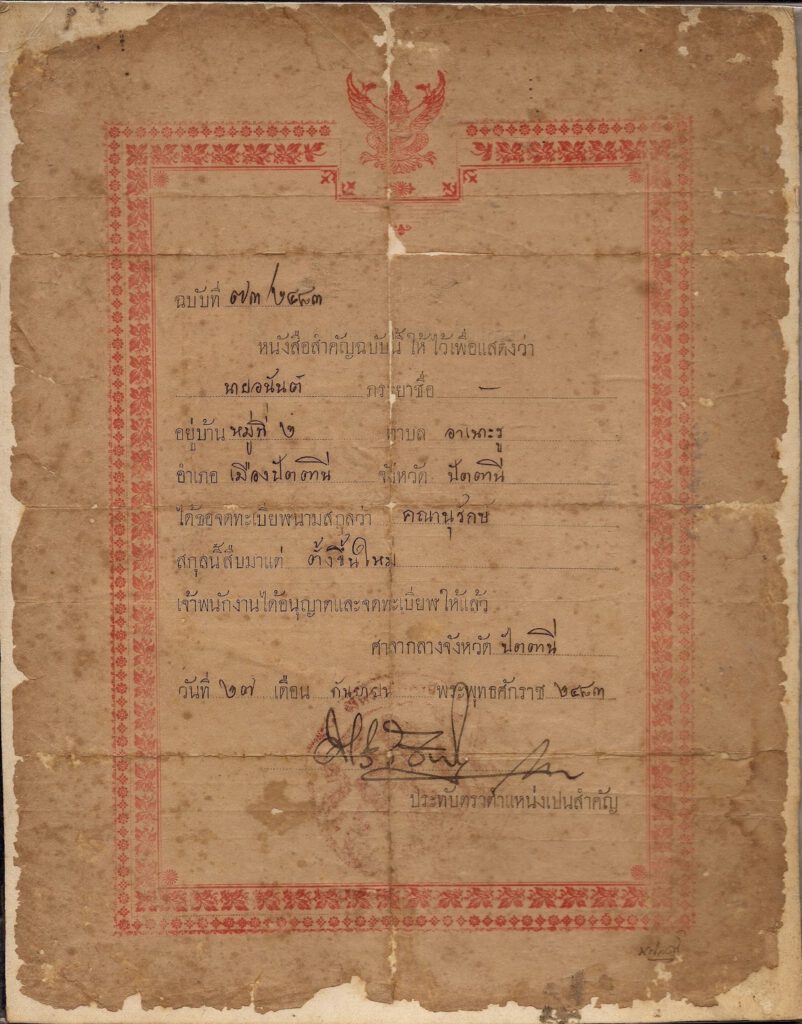
การกำเนิดนามสกุล “คณานุรักษ์”
ภายหลังการประกาศใช้ พระราชบัญญัตินามสกุล ในสมัยรัชกาลที่ ๖
บรรดาลูกหลานของหลวงจีนคณานุรักษ์ได้ เห็นพ้องต้องกันในการเชิดชูประวัติวงตระกูล จึงได้นำนามพระราชทานของต้นตระกูล ของคุณพระจีนคณานุรักษ์ มาใช้เป็นนามสกุลประจำตระกูลว่า “คณานุรักษ์” เพื่อให้ลูกหลาน และชุมชนได้ระลึกถึงประวัติ คุณงามความดีของบรรพชน ซึ่งเหล่าลูกหลานคณานุรักษ์ ได้ใช้สกุลนี้ ใช้สืบกันต่อเนื่องเรื่อยมา มาจนถึงปัจจุบัน
ปัจจุบัน ทายาทและเครือญาติของตระกูลคณานุรักษ์จำนวนมากพำนักอยู่ในกรุงเทพมหานคร แต่ยังคงสืบสานเจตนารมณ์แห่งความกตัญญูและความศรัทธาที่บรรพบุรุษได้วางรากฐานไว้ในจังหวัดปัตตานี
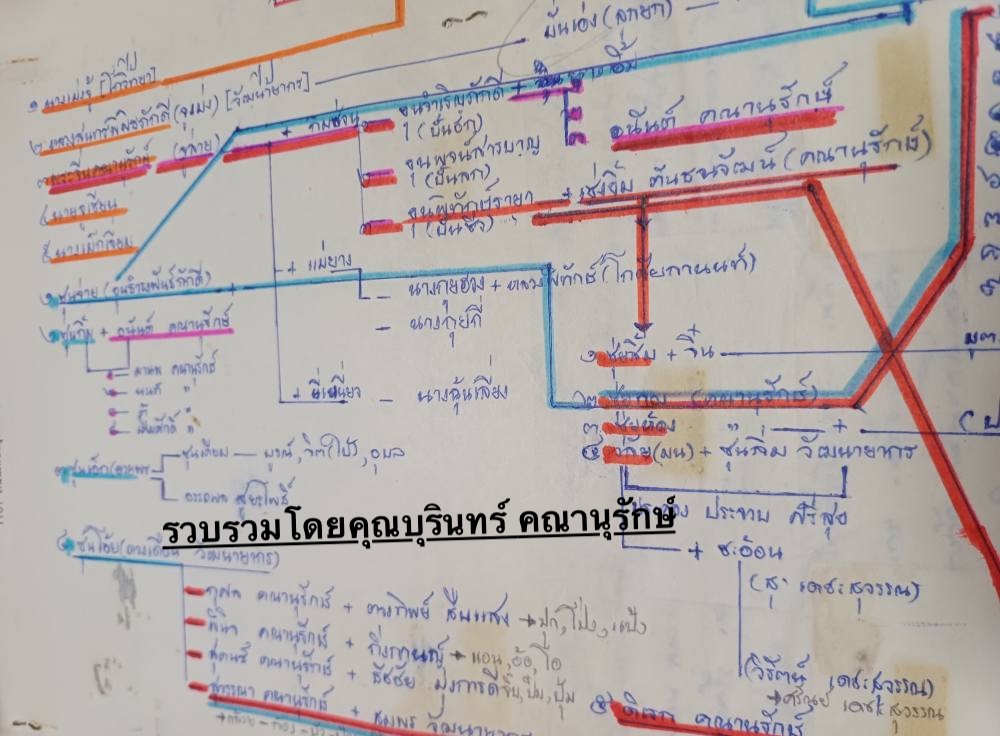
ลำดับรุ่นตระกูลคณานุรักษ์ และสายเครือญาติที่เกี่ยวเนื่อง
รุ่นที่ ๑
หลวงสำเร็จกิจกรจางวาง (นายปุ่ย แซ่ตัน)
- ชาวจีนฮกเกี้ยน อพยพมาประเทศไทยในสมัยรัชกาลที่ ๓
- ตั้งถิ่นฐานที่เมืองสงขลา ก่อนย้ายมาปัตตานี
- ได้รับแต่งตั้งเป็น “หลวงสำเร็จกิจกรจางวาง” มีหน้าที่เก็บภาษีอากรในมณฑลปัตตานี (ปัตตานี ยะลา นราธิวาส)
- มีบุตรหลายคน โดยผู้สืบสายตรงของตระกูลคณานุรักษ์ คือ นายจูไล ตันธนวัฒน์
รุ่นที่ ๒
พระจีนคณานุรักษ์ (นายจูไล ตันธนวัฒน์)
- บุตรของหลวงสำเร็จกิจกรจางวาง
- เป็นหัวหน้าชาวจีนปัตตานี สมัยรัชกาลที่ ๕
- ได้รับแต่งตั้งให้เป็นแม่กองบูรณะวัดตานีนรสโมสร (วัดบางน้ำจืด) และวัดมุจลินทวาปีวิหาร (วัดตุยง)
- มีบทบาทสำคัญในการบำรุงพระพุทธศาสนาและศาลเจ้าแม่ลิ้มกอเหนี่ยว
- มีบุตรหลายคน โดย สายหลักสืบต่อเป็น “ขุนพิทักษ์รายา (นายหยง ตันธนวัฒน์)”
รุ่นที่ ๓
ขุนพิทักษ์รายา (นายหยง ตันธนวัฒน์)
- บุตรของพระจีนคณานุรักษ์
- สืบทอดกิจการค้าขายและกิจการเรือสำเภา
- มีบุตรชายผู้สืบสาย คือ พระยาพิทักษ์ธรรมสุนทร (นายซ้ง ตันธนวัฒน์)
รุ่นที่ ๔
- บุตรของขุนพิทักษ์รายา
- มีผลงานด้านการปกครองและการค้าในมณฑลปัตตานี
- มีบุตรหลายคน มีการแตกแขนงเป็นหลายสกุลในรุ่นต่อมา ได้แก่
- สายคณานุรักษ์ (สืบจากบุตรชายคนโต)
- สายวัฒนายากร
- สายปริชญากร
- สายเลาหะกุล
รุ่นที่ ๕
บุตรหลานของพระยาพิทักษ์ธรรมสุนทร
- เป็นช่วงที่ลูกหลานได้รับราชการ และเริ่มตั้งถิ่นฐานกระจายออกจากปัตตานีไปยังสงขลาและกรุงเทพฯ
- บุคคลสำคัญในรุ่นได้แก่
- ฯพณฯ นายสวัสดิ์ วัฒนายากร (องคมนตรี) (ภรรยาคือ คุณหญิงปานจิตร วัฒนายากร)
- พล.ต.ต.น.พ.วิบูลย์ วัฒนายากร
- นายกุศล คณานุรักษ์
- พ.ญ.สุคนธ์ มุ่งการดี (สามี คือ น.พ.ธัชชัย มุ่งการดี อธิบดีกรมอนามัย)
รุ่นที่ ๖
บุตรหลานรุ่นที่ ๖ ของสายต่าง ๆ
- เป็นยุคที่ลูกหลานกระจายสู่ภาคกลางและกรุงเทพมหานคร
- หลายท่านเข้ารับราชการ เป็นนักธุรกิจ และนักวิชาการ
- ตัวอย่างเช่น
- สายคณานุรักษ์ – นายชูโชติ คณานุรักษ์, นายวิโรจน์ คณานุรักษ์
- สายวัฒนายากร – นายปณิธาน วัฒนายากร คุณหญิงสุภัทรา วัฒนายากร
- สายปริชญากร – นายสมบัติ ปริชญากร, นางจันทรา ปริชญากร
- สายเลาหะกุล – นายอรุณ เลาหะกุล, นางสาวจิตรา เลาหะกุล
รุ่นที่ ๗
บุตรหลานปัจจุบัน (คณานุรักษ์ และสายเครือญาติ)
- ตั้งถิ่นฐานอยู่ในกรุงเทพมหานครและจังหวัดใกล้เคียง
- ยังคงมีการรวมญาติและประกอบพิธีบูชาศาลเจ้าแม่ลิ้มกอเหนี่ยวเป็นประจำ
- ตัวอย่างสายสกุลในรุ่นนี้ ได้แก่
- คณานุรักษ์ – นายภูวเดช คณานุรักษ์, แพทย์หญิงพัทธนันท์ คณานุรักษ์
- วัฒนายากร – นายพีระ วัฒนายากร, นางสาวอรณิชา วัฒนายากร
- ปริชญากร – นายธนกร ปริชญากร, นางสาวณัฐชยา ปริชญากร
- ปัทมานุช – นายภาคภูมิ ปัทมานุช, นางสาวจุฑาทิพ ปัทมานุช
- มหธราดล – นางสาวสิวิภา มหธราดล, นางสาวปภาสิริ มหธราดล
- เลาหะกุล – นายปราโมทย์ เลาหะกุล
- รัตรสาร / รัตนปราการ – นายชาญชัย รัตรสาร
- โกไศยกานนท์, ศุภสินธุ์, สมัครพันธุ์, สาครินทร์ – สายเครือญาติที่สืบเชื้อสายร่วม
(English Version)
The History of the Kananurak Family
Luang Samretkitkorn Changwang
(“Luang” is a Siamese noble title bestowed upon mid-to-high-ranking royal officials)
Luang Samret Kitkorn Changwang, the progenitor of the Kananurak family, was originally named “Pui Tan” (ตันปุ่ย), a Chinese man whose ancestral home was in Fujian Province, China. During the era of Empress Dowager Cixi, he travelled to, and settled in Siam in the reign of King Nangklao (or King Rama the third) of the Rattanakosin Kingdom, believing that the King himself shared the Fujian Chinese ancestry.
Tan Pui, later bestowed the title Luang Samret Kitkorn Changwang, was a Chinese man of Hokkien descent, born in B.E. 2349 (1806 CE) in Jiangjiuhu City, Fujian Province, China. He traveled by Chinese junk to Songkhla in order to seek royal patronage during the reign of King Nangklao (Rama III) of the Rattanakosin Kingdom, as he believed the King likewise possessed Fujian Chinese ancestry.
During the early period of his life in Siam, Tan Pui settled in Songkhla and engaged in trade with diligence, perseverance, and loyalty to the Siamese kingdom. Through his meritorious deeds and distinguished service, he volunteered to lead groups of Chinese settlers in assisting the Siamese authorities in suppressing the rebellion in Sai Buri (Kedah) during that period. The mission was successfully completed and greatly pleased the King. Thereafter, he earned the trust of Phraya Wichian Khiri (Thianseng), Governor of Songkhla, and was granted the noble title “Luang Samret Kitkorn Changwang,” meaning “one who successfully accomplished the task of confronting the enemy.” He was also appointed as headman and leader of the Chinese community, carrying out important responsibilities in mediation, fostering diplomatic relations, and preserving harmony between the Thai rulers and the Malay rulers, thereby contributing to peace and stability in the region during that era.
After receiving his appointment, Luang Samret Kitkorn Changwang relocated his family to serve in Pattani, where he oversaw the Chinese community and collected taxes and duties for remittance to Songkhla. In addition to his administrative and commercial roles, he also played a major role in pioneering tin mining operations in the Tham Thalu area of Yala territory, which at that time was regarded as a highly valuable economic resource of the region.
Tin mining activities during that era relied primarily upon Chinese labor. Workers were recruited from China through broker systems, while employers bore responsibility for transportation costs, food, lodging, and monthly wages, including advance payments made to the laborers’ families residing in China. Knowledge relating to mining operations, tools, and technology likewise depended heavily upon foreign specialists and overseas companies.
The mining enterprise of the Kananurak family became one of the principal economic undertakings of the region during the early Rattanakosin period. Its origins began with Luang Samret Kitkorn Changwang (Tan Pui). After gaining the confidence of Phraya Wichian Khiri (Thianseng), Governor of Songkhla, he was appointed to oversee Chinese affairs in Pattani and entrusted with tax collection responsibilities in the region.
Beyond his administrative and commercial duties, Luang Samret Kitkorn Changwang also pioneered tin mining operations in the Tham Thalu area of Yala territory, which during that period was considered a highly valuable economic resource. Although no definitive evidence survives regarding the exact commencement date of these operations, the Pattani chronicles record the establishment of several tin mines in Yala during the reign of King Nangklao (Rama III). Later, the revenues from these mines came under the authority of Phraya Wichian Khiri, making it possible that the Kananurak family became involved in mining activities through the power networks of Songkhla from an early stage.
Following the passing of Luang Samret Kitkorn Changwang, the family mining enterprise was inherited by Luang Sunthorn Sitthiloha (Tan Ju Meng), and subsequently by Phra Jeen Kananurak (Tan Ju Lai), both of whom played significant roles in expanding mining operations and the tin trade in the region. An important piece of evidence reflecting the growth of the enterprise is a contract dated 26 December B.E. 2419 (1876 CE) between Luang Sunthorn Sitthiloha and the foreign company The Galena Mining Company, demonstrating the relationship between local entrepreneurs and foreign capital in the mining industry.
The contract stipulated that mining operations in the Tham Thalu area required the leasing of tools and equipment from foreign companies, under conditions obligating operators to sell ore exclusively to the company concerned. In addition, all maintenance costs, transportation expenses, and damages were borne entirely by the mining operators. Ore prices were determined according to the quality of the smelted mineral; ore containing 55–60 percent mineral content commanded higher prices than lower-grade ore. This reflects the emergence of a tin trade increasingly connected to international industrial standards.
Toward the end of the reign of King Chulalongkorn (Rama V), the Siamese state initiated reforms in mineral resource administration through the establishment of the Department of Royal Mines and Geology in B.E. 2434 (1891 CE) to regulate mining concessions and mining revenues throughout the kingdom. These reforms directly affected the Kananurak family enterprise, as Phra Jeen Kananurak (Tan Ju Lai) was required to apply for renewed mining rights, despite the family having operated the mines and paid tribute to the state continuously for many decades. The concession application subsequently led to disputes with the authorities of Songkhla and Yala, both of whom claimed rights and interests over the same territory, eventually becoming a matter of debate between the Ministry of Defense and the Ministry of Agriculture in the central government.
In his petition, Phra Jeen Kananurak stated that the Kananurak family had operated mining activities in the Tham Thalu area for many decades while consistently paying tribute to Songkhla. Furthermore, the enterprise was burdened with multiple layers of taxation along the transportation route, from Yala through Nong Chik to Pattani. Consequently, he petitioned for royal permission to hold mining rights over an area of six square miles for a period of fifty years, and requested that taxation be consolidated into a single levy.
Phra Jeen Kananurak (Tan Ju Lai) submitted a formal petition to the Samuha Kalahom on 28 November B.E. 2436 (1893 CE), stating that his father, Luang Samret Kitkorn Changwang (Tan Pui), had originally opened and established tin mines in Tham Thalu Subdistrict, Yala territory, bordering Raman to the north. For more than twenty to thirty years, the family had extracted both white and black tin ores, paying tribute annually to the Governor of Songkhla in the form of 120 hab of black tin. Smelted tin transported for sale was subject to taxation at multiple stages: a levy of 25 at per ingot at Yala, another 25 at per ingot at Nong Chik, and an additional three-percent tax upon arrival at Pattani. In total, the enterprise was required to pay taxes at four different levels. Since the mining grounds had never been formally demarcated, he therefore petitioned for royal authorization granting ownership rights over six square miles of mining land in Tham Thalu, Yala territory, for a duration of fifty years, together with the request that taxation be reduced to a single level.
For this petition, Phra Jeen Kananurak appointed his son, Khun Chamroen Phakdi (Tan Ban Hok), to act on his behalf. When Khun Chamroen Phakdi submitted the mining application to the Department of Royal Mines and Geology, the Ministry of Agriculture, which supervised the department, considered the matter and concluded that it would generate increased benefit to the kingdom. Upon inquiry to Songkhla, which exercised authority over Yala, no evidence appeared that any other party had been operating mines in that area. At the same time, King Chulalongkorn (Rama V) was gravely ill due to the crisis arising from the Franco-Siamese Conflict of R.S. 112 (1893 CE), and was unable to attend to state affairs. Consequently, the mining application remained pending.
Chao Phraya Aphai Raja (Roland Jacquemin), royal adviser to the government, therefore informed the King regarding the difficulties obstructing the applicant’s request. A royal letter was then issued to Prince Devawongse Varopakarn instructing him to review the pending matter. As a result, the mining request submitted by Phra Jeen Kananurak (Tan Ju Lai) through Khun Chamroen Phakdi (Tan Ban Hok) was ultimately approved as requested. The Ministry of Agriculture subsequently informed the Ministry of Defense, which supervised Songkhla, and the Ministry of Defense then issued official authorization in accordance with the permit.
However, when Khun Chamroen Phakdi brought the authorization to Yala, the Governor of Yala objected to the Governor of Songkhla, asserting that the territory in question already involved mining interests connected to Songkhla and that operators were already active there. The Governor of Songkhla therefore submitted a memorial to Bangkok requesting a competitive bidding process offering terms higher than those proposed by Phra Jeen Kananurak. The Ministry of Defense relayed the matter to the Ministry of Agriculture, but the Ministry of Agriculture insisted upon upholding the original permit already granted. The issue consequently became the subject of debate in the Council of Ministers, where the council proposed that both parties be summoned to submit new bids. The Ministry of Agriculture regarded the decision with dissatisfaction, prompting Chao Phraya Surasak Montri (Choem Saeng-Chuto), Minister of Agriculture, to submit a letter to Prince Sommot Amoraphan, Minister of the Royal Secretariat, explaining that the permit granted to Phra Jeen Kananurak had been issued solely for the protection of state interests, and that Phra Jeen Kananurak had not sought favor through influence or personal connections. He further stated that should the issuance of the permit ultimately prove harmful, he would willingly accept royal punishment according to the law. Nevertheless, he maintained that reopening the bidding process was inappropriate because the permit had already been granted under royal authorization, and reversing the decision would diminish royal prestige. As a result, the Kananurak family retained the rights to continue mining operations under the permit and concession that had already been issued.
From these events, it is believed that conflict subsequently arose between Phra Jeen Kananurak and the governors of Songkhla and Nong Chik, the latter being related by lineage to the Songkhla ruling family. One consequence was the excavation of a shortcut canal along the Pattani River at the Priki Village (Ban Priki). Previously, the Pattani River had been highly winding from its upstream course through Yala into Yarang District, which fell under the jurisdiction of Nong Chik.
At that time, Phraya Wichit Phakdi (Tunku Suleiman Sharifuddin), Governor of Pattani, maintained close relations with Phra Jeen Kananurak and the Kananurak family. He therefore mobilized local villagers to assist in excavating the shortcut canal from the Priki Village (Ban Priki) to the Anoh Bulud Village (Ban Anoh Bulud), a distance of approximately seven kilometers. The canal became known as The Sungai Baru canal (Khlong Sungai Baru) and connected directly into Pattani territory, thereby allowing tin ore transportation to bypass Nong Chik, whose ruling lineage was connected to the Songkhla governors.
Even when Phraya Wichit Phakdi (Tunku Suleiman Sharifuddin) later constructed a new palace at Chabang Tiko Subdistrict, descendants of Phraya Wichit Phakdi recounted that the Kananurak family supplied craftsmen and construction equipment to assist with the building works. This is reflected in the architecture and walls of Chabang Tiko Palace, which exhibit Chinese artistic influences rather than the traditional Malay residential style.
The Kananurak Family
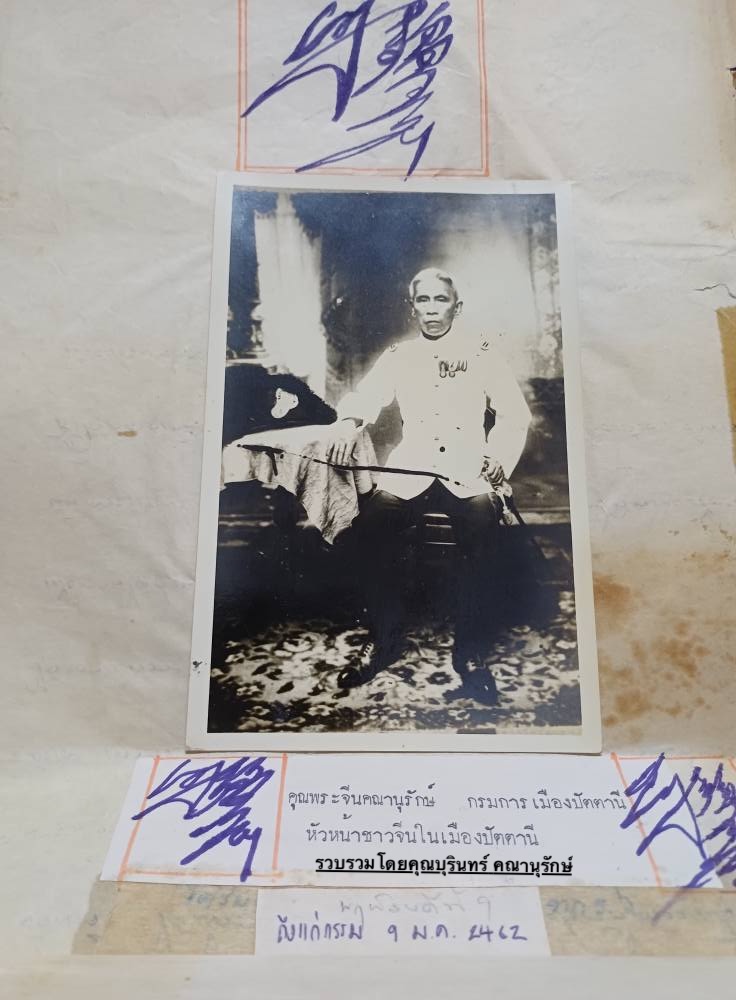
Biography of Amat Tri Phra Jean Kananurak (Julai Tanthanawat)
Amat Tri(a royal court official rank in Siam) Phra Jeen Kananurak, (originally Mr. Julai Tanthanawat), was born on a Sunday, in the 12th lunar month, in the Year of the Goat, B.E. 2390 (1847). He was the third son of Luang Samretkitkon Jangwang of Pattani, the founding ancestor of the Kananurak family—one of Pattani’s oldest families.
Phra Jeen Kananurak was a highly diligent man who built a stable livelihood for himself and his family, earning the trust of King Chulalongkorn (Rama V), who appointed him as the leader of the Chinese community in the Monthon Pattani.
Family History as Recounted by the 6th Generation
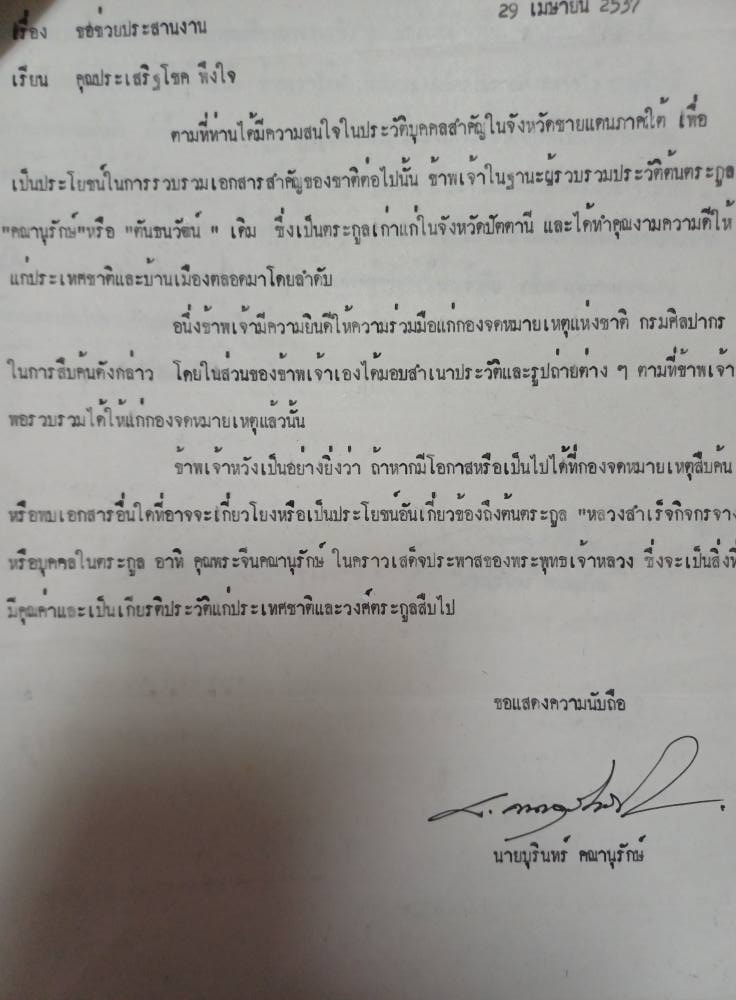
Mr. Burin (Rachot) Kananurak, a sixth-generation descendant, gathered historical information beginning in 1983 by researching documents and interviewing elderly relatives of the 4th and 5th generations. Although they were already advanced in age, they still possessed an excellent memory and kindly recounted many stories.
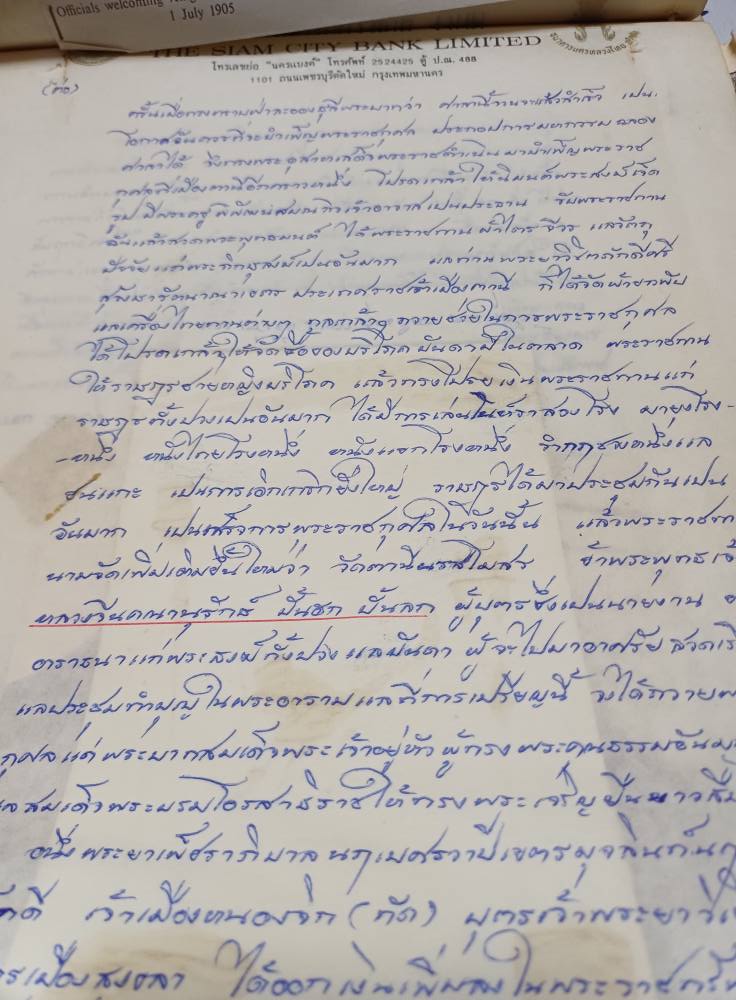
Mr. Burin documented these accounts, collected many supporting documents, and shared materials with Mr. Prayuradet Kananurak and Dr. Panthep Kananurak, who compiled the information into a printed family history book in 1995. This publication has been highly valuable both for descendants and for the general public interested in Pattani’s history.
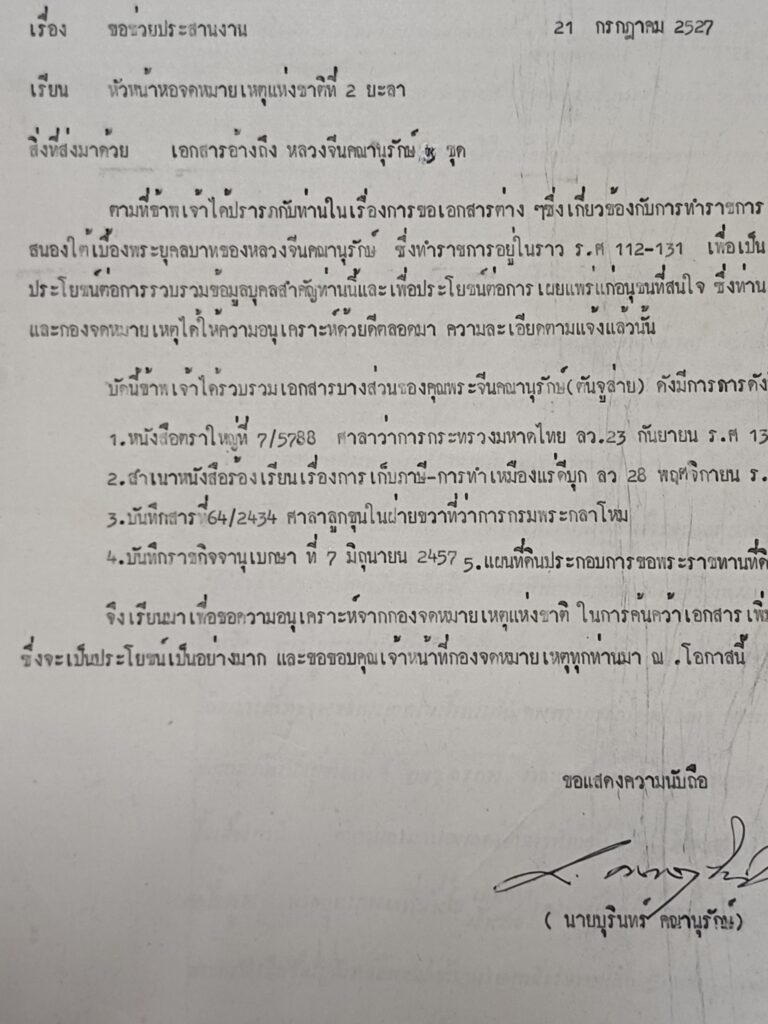
Later, Mr. Burin consulted Mr. Prasertchok Puengjai, an officer of the National Archives, who helped locate official records, including correspondence from Prince Damrong Rajanubhab notifying Khun Phot Saraban of the passing of his father, Phra Jeen Kananurak.
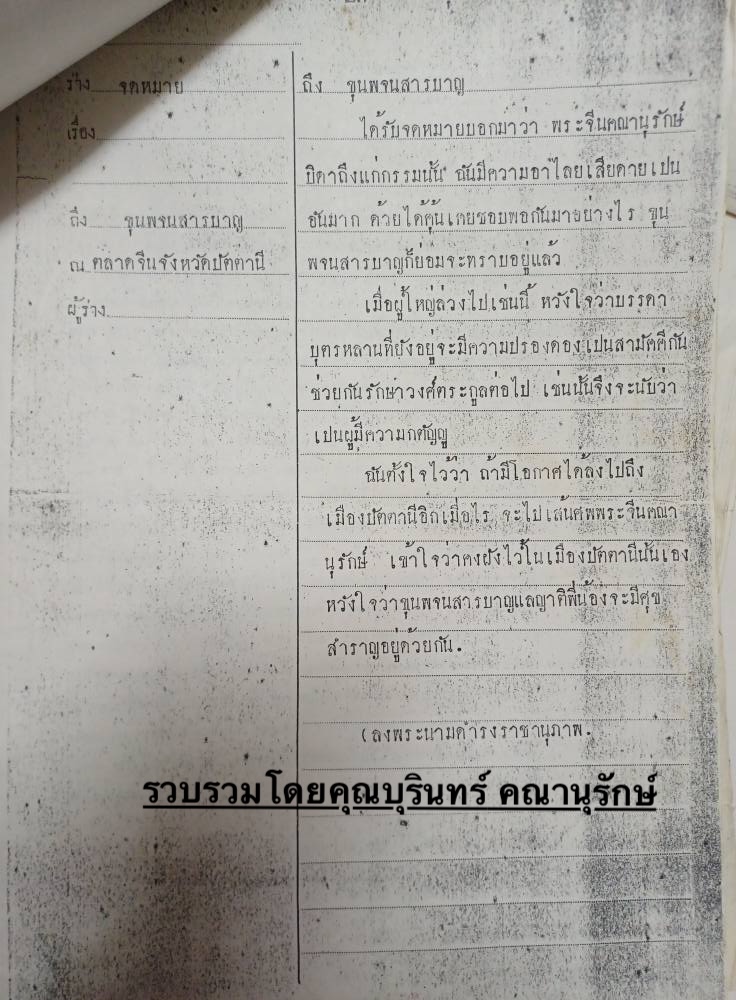
This confirmed that King Rama V trusted and was very close to Luang Jeen Kananurak. Whenever the king requested goods from Pattani, the royal pages would instruct Luang Jeen Kananurak to procure and send them.
Founding Ancestor of the Kananurak Family
Luang Samretkitkon Jangwang (also known as Tan Pui) , a Hokkien Chinese immigrant who traveled from China to Siam.
Mr. Pui traveled by ship via Vietnam, arriving in the reign of King Rama III (1824–1851). He settled first in Songkhla, whose governor at the time was also a Hokkien Chinese.
Role in the Kedah Rebellion (B.E. 2381 / 1838)
When the Kedah Rebellion occurred, Mr. Pui assembled a group to support the governor of Songkhla in suppressing the uprising. For his service, he was granted the noble title “Luang Samretkitkon Jangwang” and appointed to Pattani to oversee tax collection in the areas that today are Pattani, Yala, and Narathiwat.
He later received a concession to operate a tin mine in Yala and lived at house number 27, now the site of the Lim Ko Niao Shrine, in a multicultural community known as Talat Chin / Talat Kueda Chino.
He was known as a generous man beloved by Thai, Chinese, and Muslim communities alike, as well as by the governor of Pattani.
Continuation of the Family Legacy and Royal Ties
After Luang Samretkitkon Jangwang passed away, his eldest son Mr. Jumeng Tanthanawat (Luang Sunthorn Sitthiloha) inherited the mining business and exported goods to Penang, but died young, around age 30, during the reign of King Rama IV.
The younger brother, Mr. Julai Tanthanawat (later Phra Jeen Kananurak), continued the business and became known as the “Captain Chin”, owning numerous junks trading internationally.
Reception of King Rama V in Pattani
When King Rama V visited Pattani for the first time, Phra Jeen Kananurak and his sister Mrs. Mengju (wife of the Govithaya family) oversaw the preparations.
A white carpet was laid from the pier to the Chinese shrine and Taninorasamosorn Temple (Bang Nam Chuet Temple). The king inspected local goods, and whatever he desired, the siblings presented in full until the boat was filled.
At Taninorasamosorn Temple, the king noticed the dilapidated state of the ordination hall and granted his personal funds to Phra Jeen Kananurak for renovations. The king then appointed him Luang Jeen Kananurak, responsible for overseeing the restoration of Taninorasamosorn Temple and Mujalinthawapi Temple (Tu Yong Temple), which were completed with great celebration.
During the king’s second visit, red flags were hung from the pier to the shrine and the Chabang Tiko palace—evidence of which appears in old photographs and signage still visible today.
Religious and Community Contributions
Phra Jeen Kananurak also renovated Nikornchanaram Temple (Hua Talat Temple), originally just a cremation ground, transforming it into a functional religious site.
He expanded a small Chinese shrine into a large and respected one. A legend tells of Phra Jor Su Kong / Ong Dam (The Black Deity or Physician Deity) floating down the river and being found accidentally; it was given to Phra Jeen Kananurak to enshrine, and soon became a popular place for people to pray for healing.
Later, he fulfilled a vow by bringing the carved image of Lim Ko Niao Goddess from Krue Se to enshrine at the shrine after recovering from illness. Today, the Lim Ko Niao Shrine is one of Pattani’s most sacred and most visited sites.
Origin of the Surname “Kananurak”
After the Surname Act was enacted during the reign of King Rama VI, the descendants chose to adopt the title-name “Kananurak” as their family surname.
It continues to this day.
Most descendants now reside in Bangkok, though they continue to uphold the values, gratitude, and faith established by their ancestors in Pattani.
Generational Lineage of the Kananurak Family
Generation 1
Luang Samretkitkon Jangwang (Mr. Pui Sae Tan)
– Hokkien Chinese immigrant
– Governor-appointed tax collector of Pattani region
– Father of several children, including Mr. Julai Tanthanawat, ancestor of the main Kananurak line
Generation 2
Phra Jeen Kananurak (Mr. Julai Tanthanawat)
– Head of Pattani’s Chinese community
– Trusted lieutenant to King Rama V
– Major contributor to temple and shrine restorations
– Father of multiple children; main lineage continues through Khun Phithak Raya (Mr. Yong Tanthanawat)
Generation 3
Khun Phithak Raya (Mr. Yong Tanthanawat)
– Continued maritime trading and the junk fleet
– Father of Phra Yaphithak Thammasunthorn (Mr. Song Tanthanawat)
Generation 4
Mayor Direk Kananurak
– Key administrator and merchant
– Ancestor of four major branch families:
- Kananurak
- Watthanayakon
- Parichayakon
- Laohakul
Generation 5, 6, 7
– Extensive branches settling in Pattani, Songkhla, Bangkok
– Many became government officials, physicians, business leaders, and scholars
– Continued reverence for the Lim Ko Niao Shrine and annual gatherings